“Tucked between the motorways and the urban sprawl is a surprising network of forgotten bridleways, towpaths and byways, the back edge of London that most people never see, yet riders here will traverse in one continuous push.” The London360 is both a route and an annual event, created by event organiser, route planner, coach and guide Charlie Codrington. His London360 event is being held at the end of June and he’s created this fantastic piece as inspiration for anyone considering signing up.
Many people spend their lives trying to get into London. The 360 spends 360 kilometres trying to get around it. On paper, it sounds slightly ridiculous. A self-supported gravel ride that circles one of the world's biggest cities using bridleways, woodland tracks, canal towpaths, old railway lines and whatever forgotten connectors can be stitched together in between. In reality, it becomes something much stranger.
The route leaves Greenwich before dawn and loops through the North Downs, Surrey Heaths, Chilterns, Lee Valley and Epping Forest before returning to the Thames roughly 24 hours later. Along the way, it passes through landscapes that feel completely disconnected from the city supposedly sitting in the middle of them. One minute you're riding beneath Canary Wharf's glass towers. A few hours later, you're climbing through silent woodland beyond Ide Hill. By midnight, you're tackling deserted sandpits near Hatfield. At three in the morning, you're descending through Epping Forest beneath owls and bats.
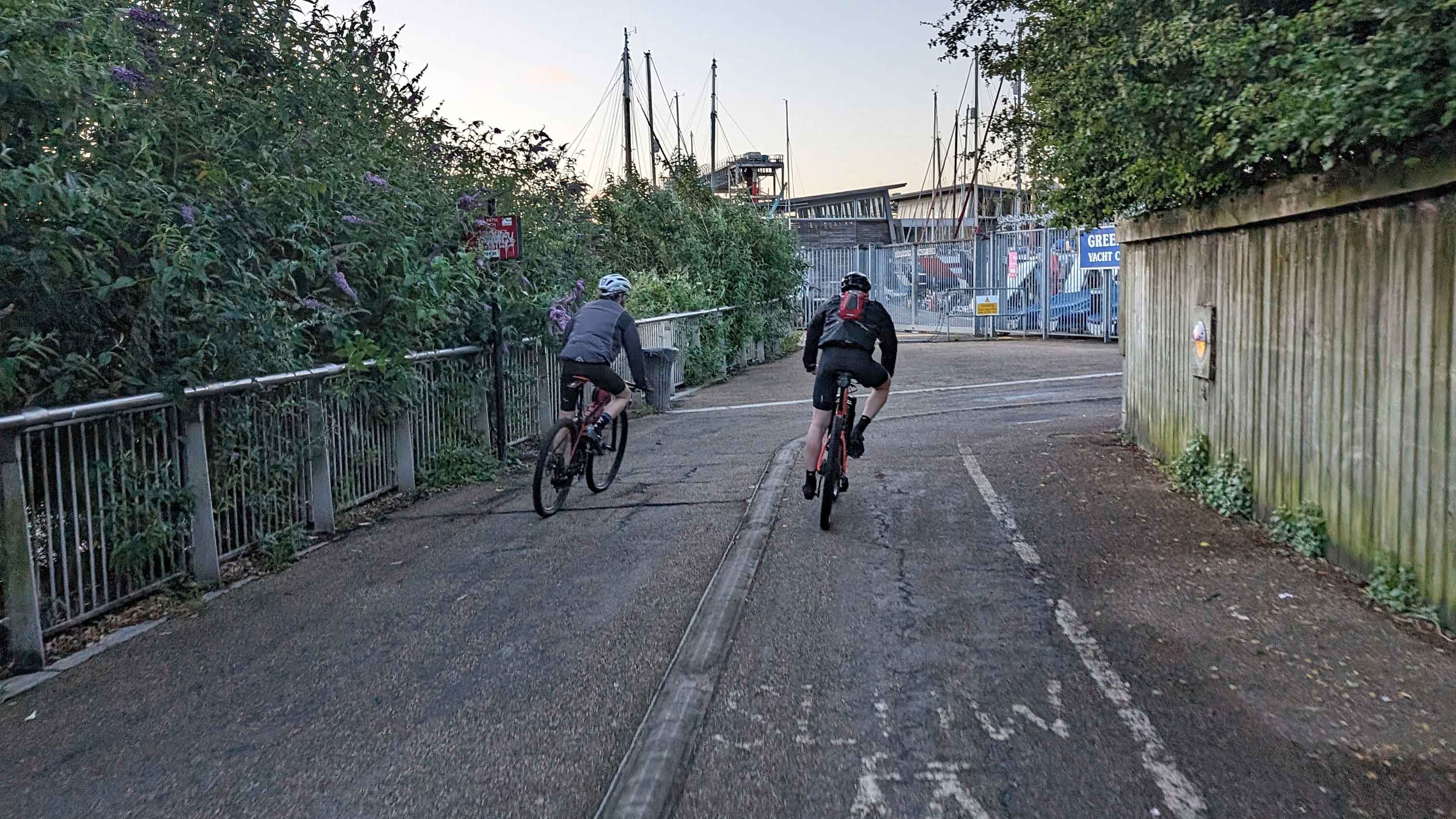
The strange thing is that you are never really far away. At almost any point on the route, there is usually a station, a warm café, a garage or a perfectly reasonable excuse to stop. Unlike most ultra-distance events, The 360 never strands you in the wilderness. The challenge isn't remoteness. The challenge is temptation. That becomes apparent surprisingly early. The opening sector heads out through the Thames Path before climbing onto the Greensand Ridge. The riding is varied from the start. Fast gravel, woodland tracks, chalk climbs, and the occasional awkward connector combine to create a route that constantly changes character.
As the route climbs towards Reigate Hill, the M25 reappears alongside you. After the quiet climbing through Ide Hill and the woods beyond, the roar of traffic feels oddly brutal, a reminder that London and the modern world remain only a stone's throw away.
That contrast becomes one of the defining themes of the ride. The North Downs deliver fast chalk doubletrack, sweeping descents and enormous views south. It is also busy. Walkers drift across trails carrying takeaway coffees, dogs appear from nowhere and horses materialise silently around corners. It is a reminder that, despite the distance still to ride, this is a landscape being shared with everyone else enjoying a day outdoors.
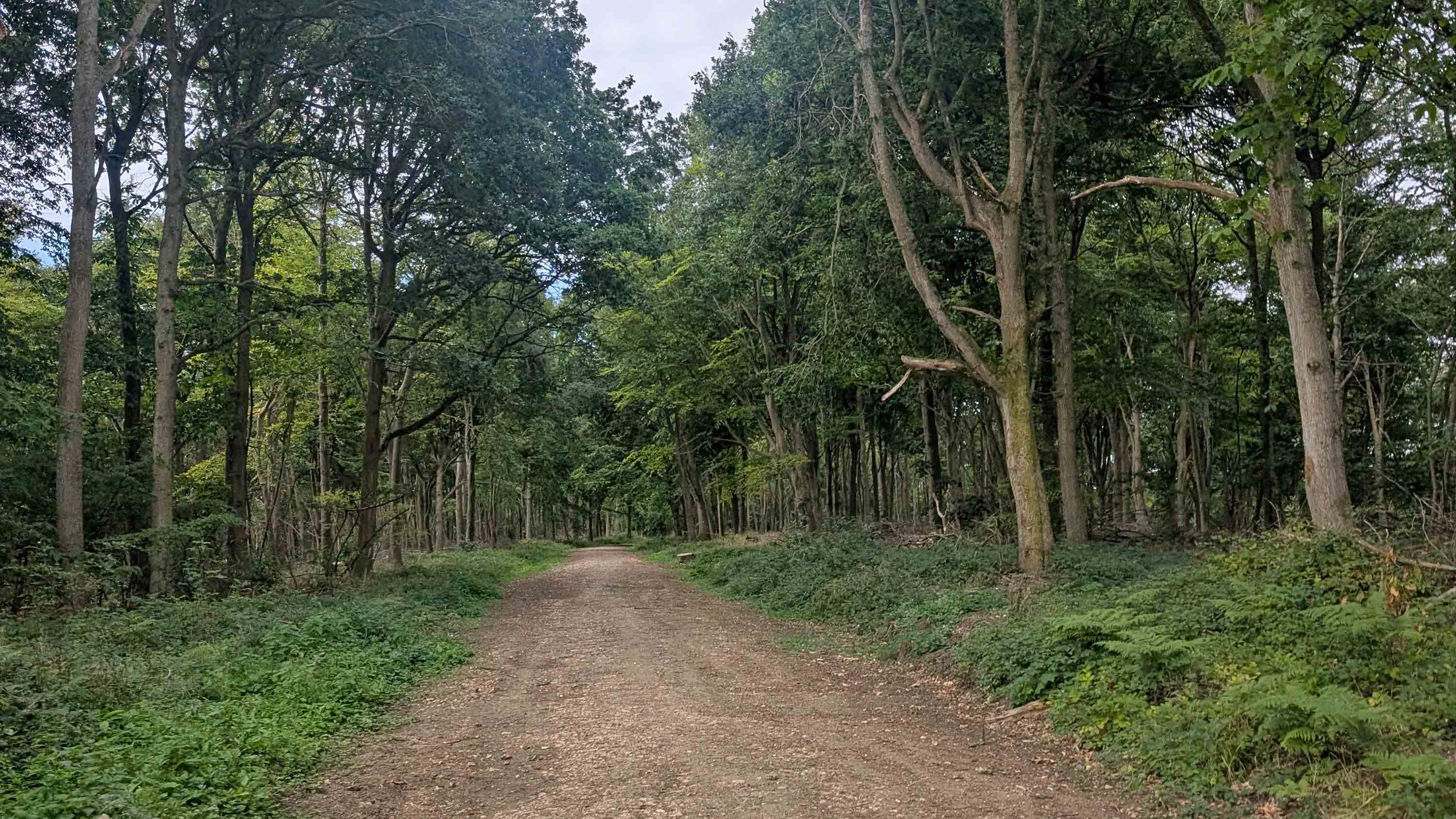
Then the landscape changes completely. North of Guildford, the oak woods and chalk ridges give way to the sandy heathland and military training grounds of the Surrey Heaths. Wide pale trails cut through pine forests with long sight lines stretching between heather and silver birch. On a warm summer evening, parts of this sector feel almost Southern European. Tank tracks cross the route. Army warning signs appear beside the trail. The ground beneath the tyres suddenly becomes dry, sandy and fast. Riders start properly eating kilometres again. Average speeds creep upwards. Those who had quietly abandoned thoughts of a sub-24-hour finish begin doing the sums once more.
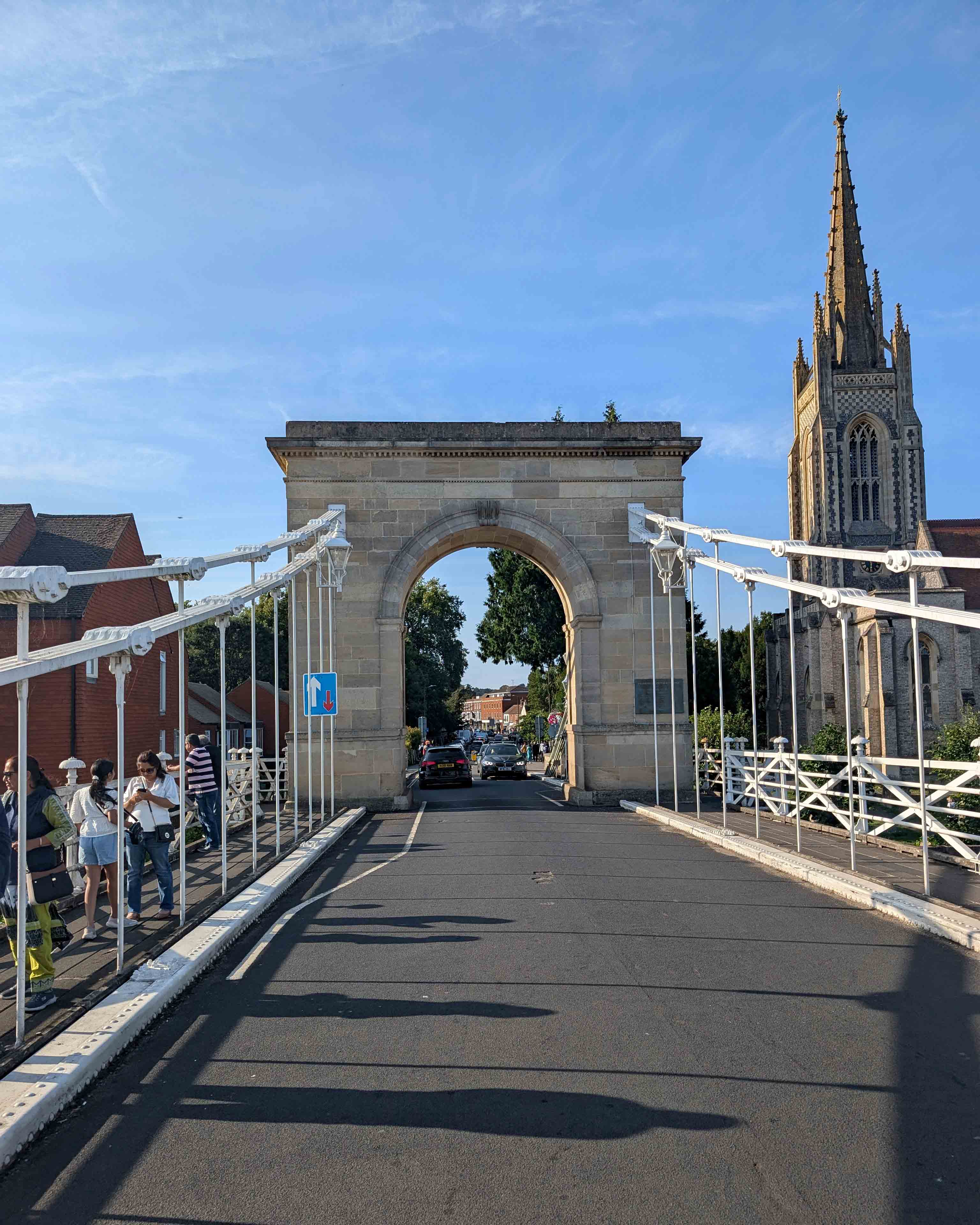
One of the pleasures of the route is watching London's geography slowly rearrange itself around you. Early signposts point towards Dartford, Sevenoaks and Godstone. Later they become Guildford, Henley and Marlow. Gradually, you realise you are no longer riding away from London. You are orbiting it. Crossing the Thames at Marlow marks roughly the halfway point. Don't be distracted by the numerous riverside pubs full of sensible people having a relaxed drink. Your job here is to refuel for the second half and the long night ahead. For riders chasing a 24-hour finish, arriving here around six or seven in the evening feels about right. It gives enough daylight to tackle the Chilterns before the long overnight push around the northern edge of London.
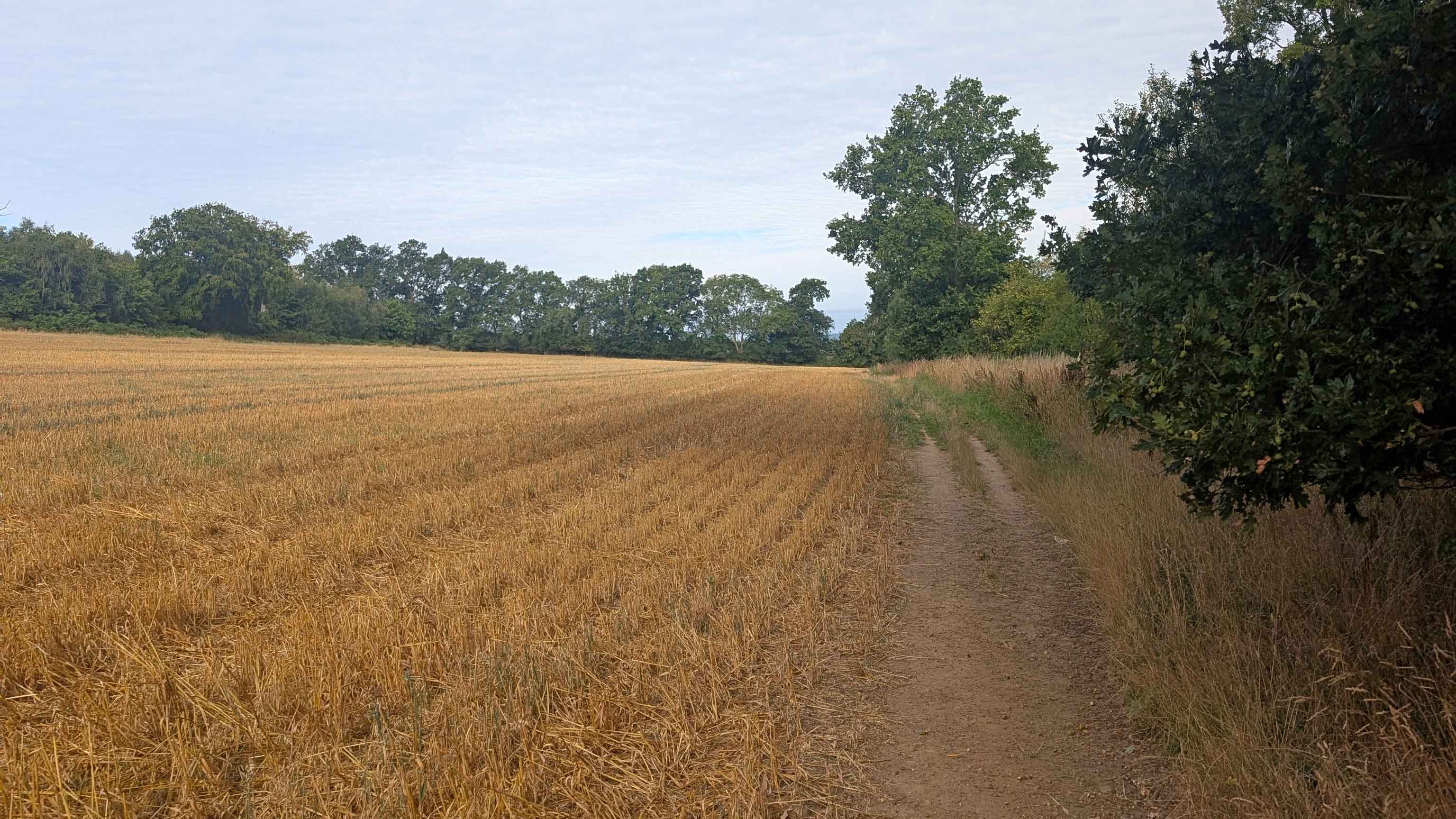
The Chilterns arrive with surprisingly little ceremony. Cross the Thames, start climbing and you're riding through steep-sided chalk valleys and old coaching villages. Every descent seems to be followed immediately by another climb, one after another. Nothing is individually brutal. Collectively exhausting. By now, the ride has become less about strength and more about management. Food, pace and momentum matter far more than heroics.
Eventually, the Chilterns loosen their grip and the route drops towards Hemel Hempstead. For many riders, the final overnight sector becomes the highlight of the entire ride. That sounds unlikely at first. After all, this is the point where riders have already covered more than 200 kilometres. The novelty should have worn off hours ago. Instead, something different happens. Traffic disappears. The world becomes quieter. The route follows old railway lines, deserted bridleways and canal towpaths through sleeping commuter towns and woodland. While everybody else is watching television, eating dinner or heading to bed, we are the naughty ones riding through the night. The ride starts feeling slightly detached from normal life.
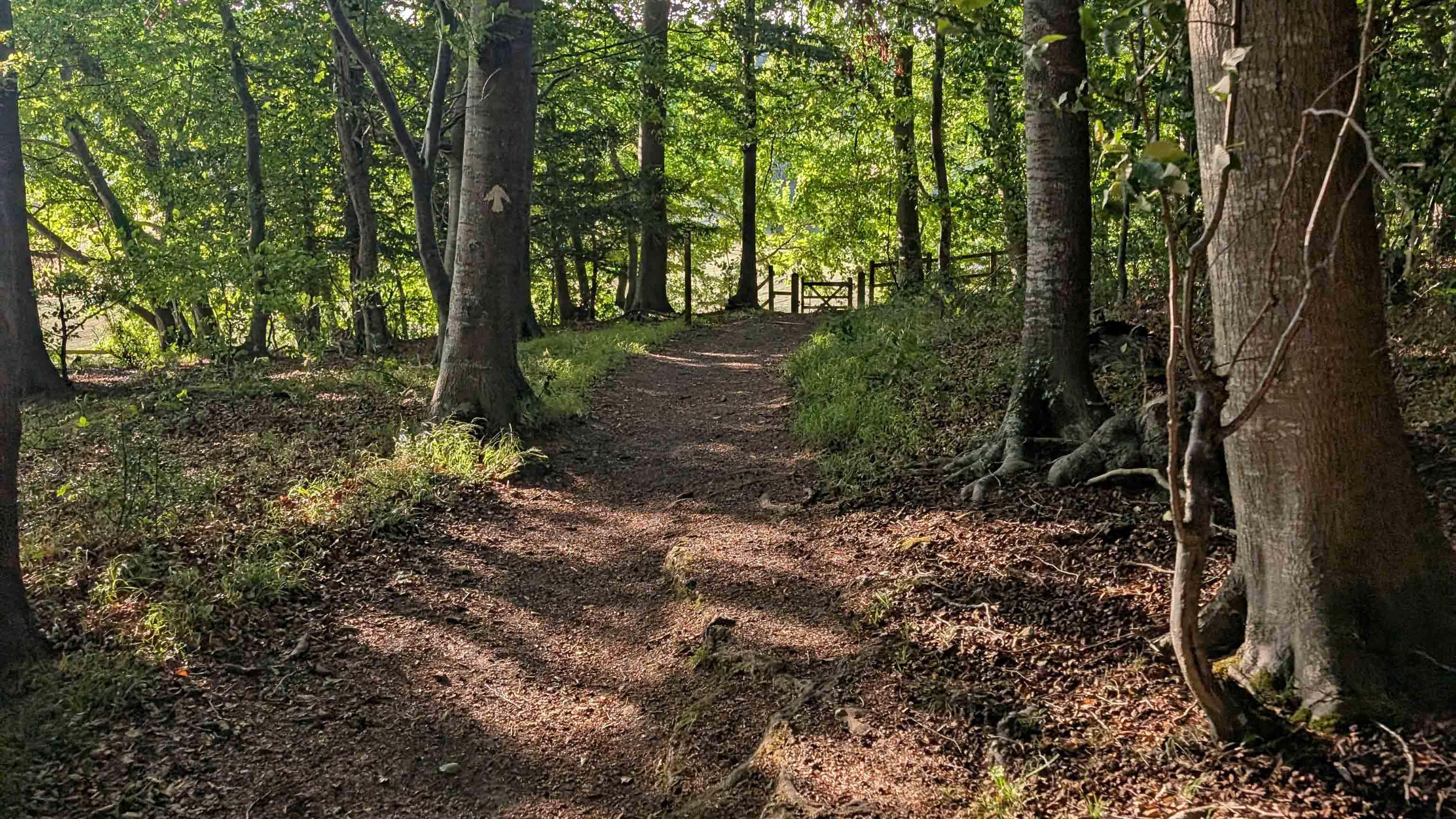
The Lee Valley marks a turning point. Anyone familiar with London knows it is effectively a corridor back into the city. Once you reach it, the finish suddenly feels obtainable. The route trends gently southwards. Distances shrink. Then comes Epping Forest. For many riders, it is the emotional high point of the entire ride. After nearly a full day in the saddle, the forest arrives at exactly the right moment. The roads disappear. The riding becomes fast, flowing and joyful again. Somehow, tired legs find one final effort. There are still climbs hidden among the descents, but mentally it feels as though gravity has finally decided to help. This is the strange magic of riding through the night.
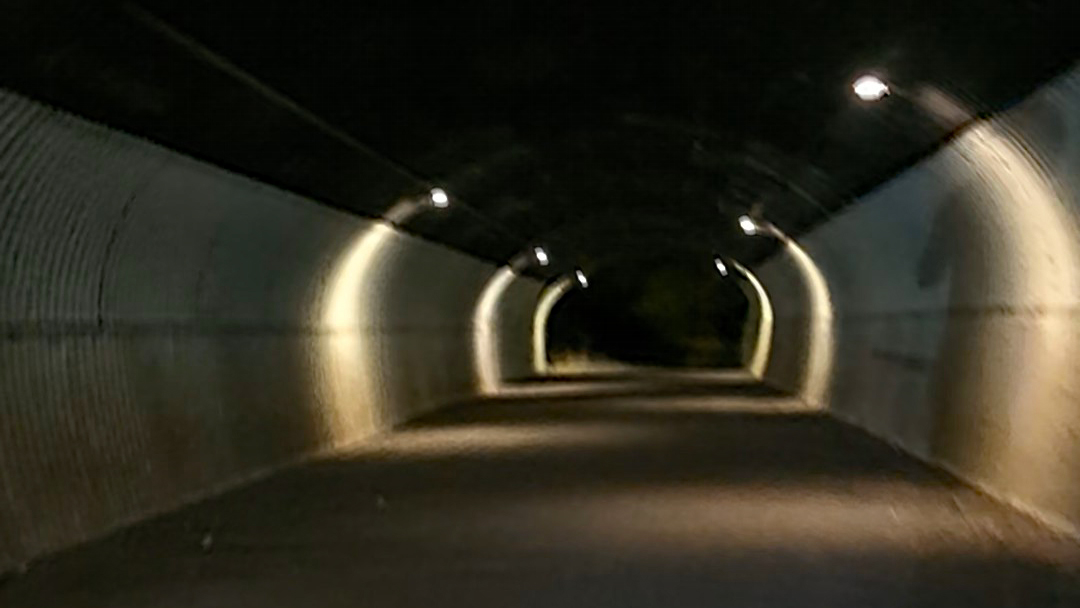
An hour later, the route spills out towards Stratford and the Thames. Then Canary Wharf appears. Twenty-two hours earlier, those same towers reflected quietly in the river as riders rolled out from Greenwich before sunrise. Now they glow above black water in complete contrast to the dark countryside you've just ridden through. Only an hour earlier, there had been owls calling across Epping Forest and bats flickering through woodland above empty gravel tracks.
Now you are back beside a city that never really stops moving.
The final kilometres through the Isle of Dogs feel strangely surreal. Riders drift towards the Greenwich Foot Tunnel in a state somewhere between relief, disbelief and mild confusion.
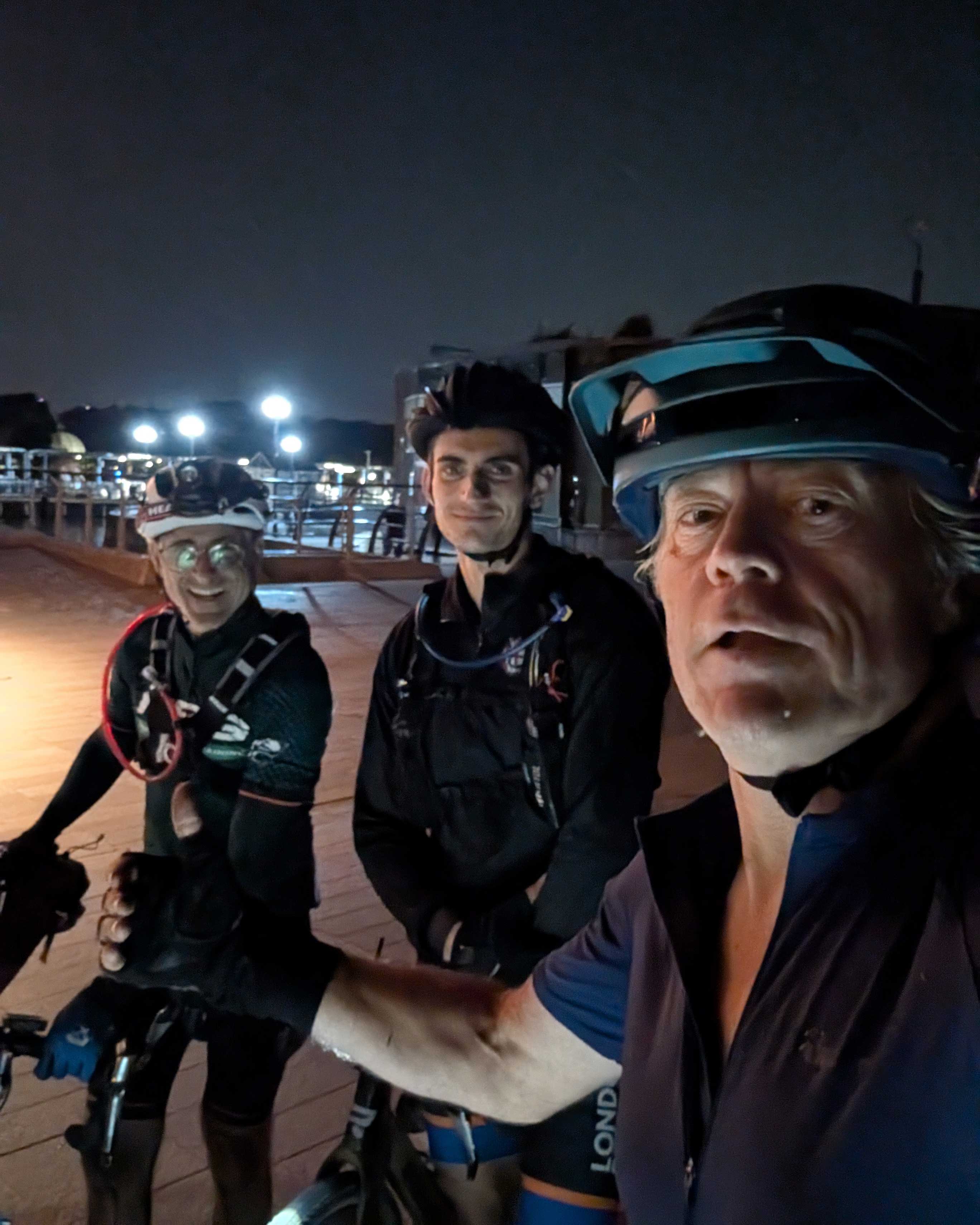
The real sense of achievement rarely arrives immediately. Usually it comes the following morning. You start replaying the ride in fragments. The Thames at dawn. The woods beyond Ide Hill. Sandy heathland near Swinley. The evening light across the Chilterns. Epping Forest at three in the morning. And gradually the scale of the thing begins to land. There are no crowds. No banners. No dramatic fanfare. Just exhausted riders staring back across the Thames. The same river. The same skyline. An entirely different person standing beside it.
This year’s London360 event is being held over the weekend of 27th and 28th June. You can find out all the details and sign up here.