As climate change continues to make its impact felt, even those of us living in northern Europe can expect to experience increasingly frequent summer temperatures of 30°C and above. For gravel riders, this might mean perfect blue-sky days and dusty trails, but not everyone enjoys cycling in the heat. More importantly, riding in high temperatures can pose significant health risks, particularly if you haven't taken the necessary precautions to protect yourself from the sun and heat. Whether you live south of the equator and are preparing for the arrival of summer, or you're planning a winter escape to sunnier climates in the coming months, it's worth thinking about how best to prepare your body for the heat. Thankfully, Olly, our resident lizard, is on hand to share his top tips for staying comfortable, safe and ready to ride when the temperature rises.
“Your gran used to love it when it was hot. She would spend as much time as she could outside working in the garden and she was never happier than when the sun was beating down.” I’d been chatting with my mum about my weird love of riding in really hot weather. I’ve been fortunate enough to ride all over the world and I’m never happier than when I’m riding in temperatures way beyond 30 degrees C. As a white-skinned Northern European, there was no obvious reason as to why I seem to cope better than almost all my peers, but I turns out I’d inherited my love of hot weather from my maternal grandmother.
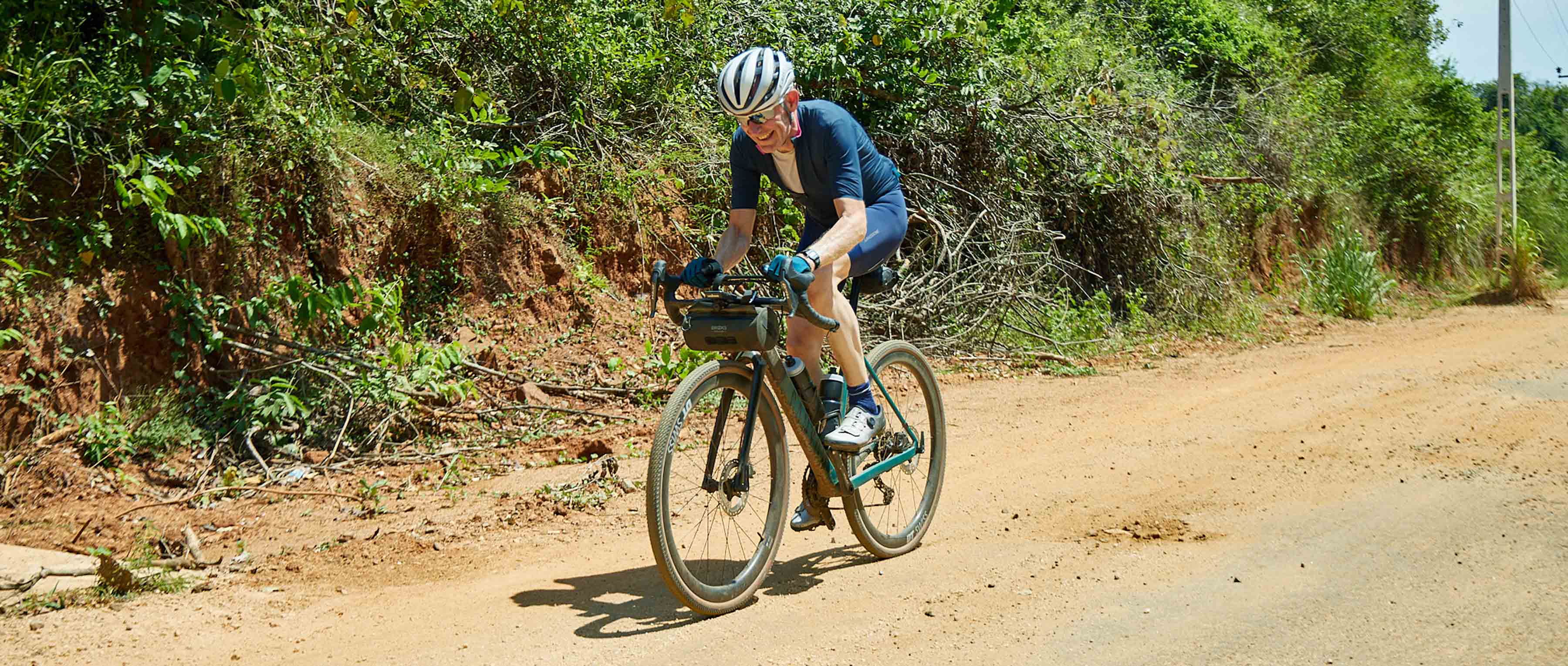
Image courtesy of Michael Blann
Actively seeking out destinations which promise high temperatures is a pretty strange addiction and I can fully understand both the negative environmental implications and the potential health risks. With ever-rising global temperatures, even destinations which previously would have been considered temperate have started experiencing frequent periods of hot weather. In Northumberland (in the northeast of England) this summer we had long periods where the mercury hit the mid/high 30s – something unheard of a couple of decades ago. The news this summer was full of stories about the blistering heat in mainland Europe and it’s something we’re all going to have to come to terms with. So the question is, what can we do as gravel riders to help ourselves deal with the heat better?
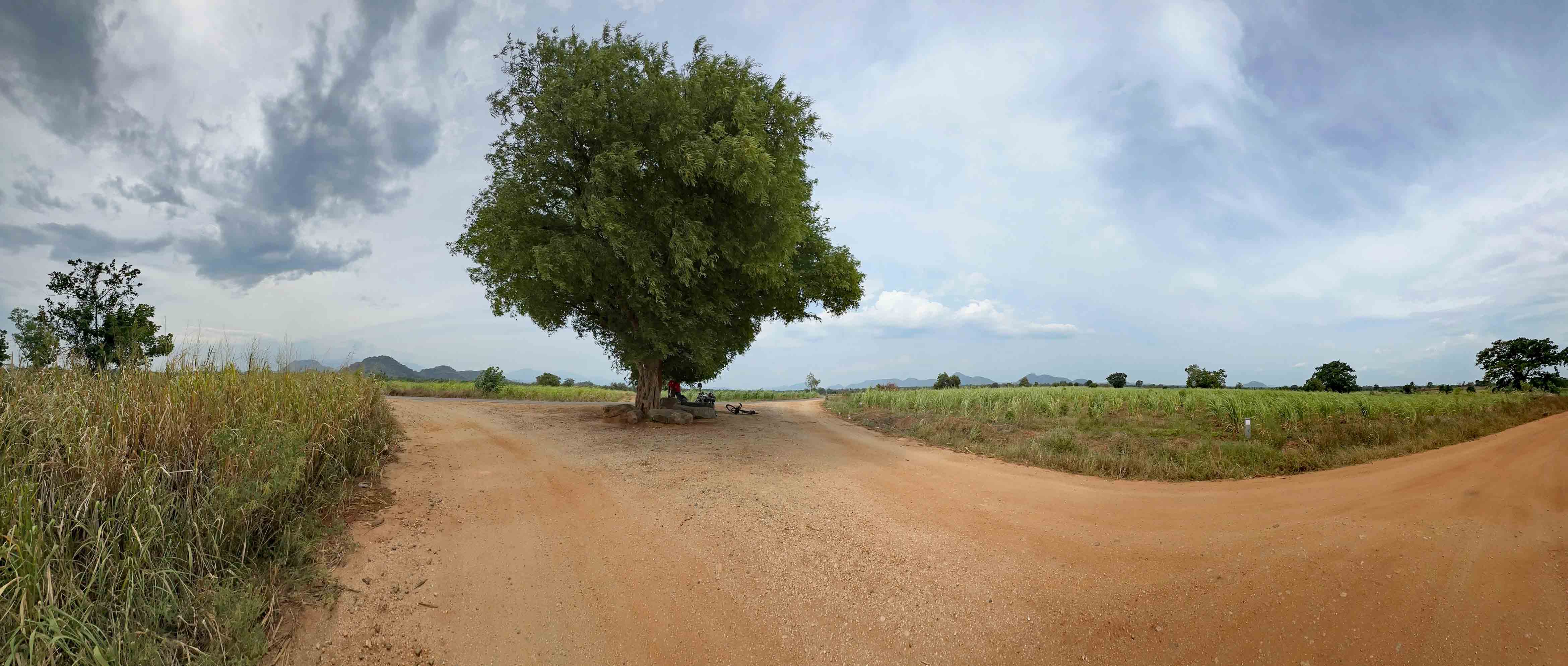
Looking at the tree in the centre of this photo brings back some incredibly vivid and, if I'm honest, rather unpleasant memories. Back in September 2024, I spent what felt like an eternity – probably around 30 minutes – sitting in its rather pathetic patch of shade, sweat gushing from every pore, my heart pounding and my body feeling as though it was on the verge of shutting down. You'll find this particular tree in southern Sri Lanka, not far from the northern boundary of Yala National Park. When I stopped there in 2024, the temperature was around 35°C. I'd already ridden 80 km and climbed 1,400 m that day and I was absolutely cooked. My fitness was reasonable, but I'd made the classic mistakes of not eating or drinking enough.
You might be able to get away with that for a day or two, but this was my fifth consecutive day of riding in temperatures in the high 30s and low 40s. Add in plenty of climbing, strong headwinds and an overly ambitious target average speed, and things unravelled pretty quickly. After taking this photo, I managed another 20 km before admitting defeat, calling it a day and climbing into the broom wagon. It was a pretty sobering lesson in just how quickly things can go wrong when riding in extreme heat. If you want to do more than simply survive – and actually enjoy your riding – proper preparation is absolutely essential.
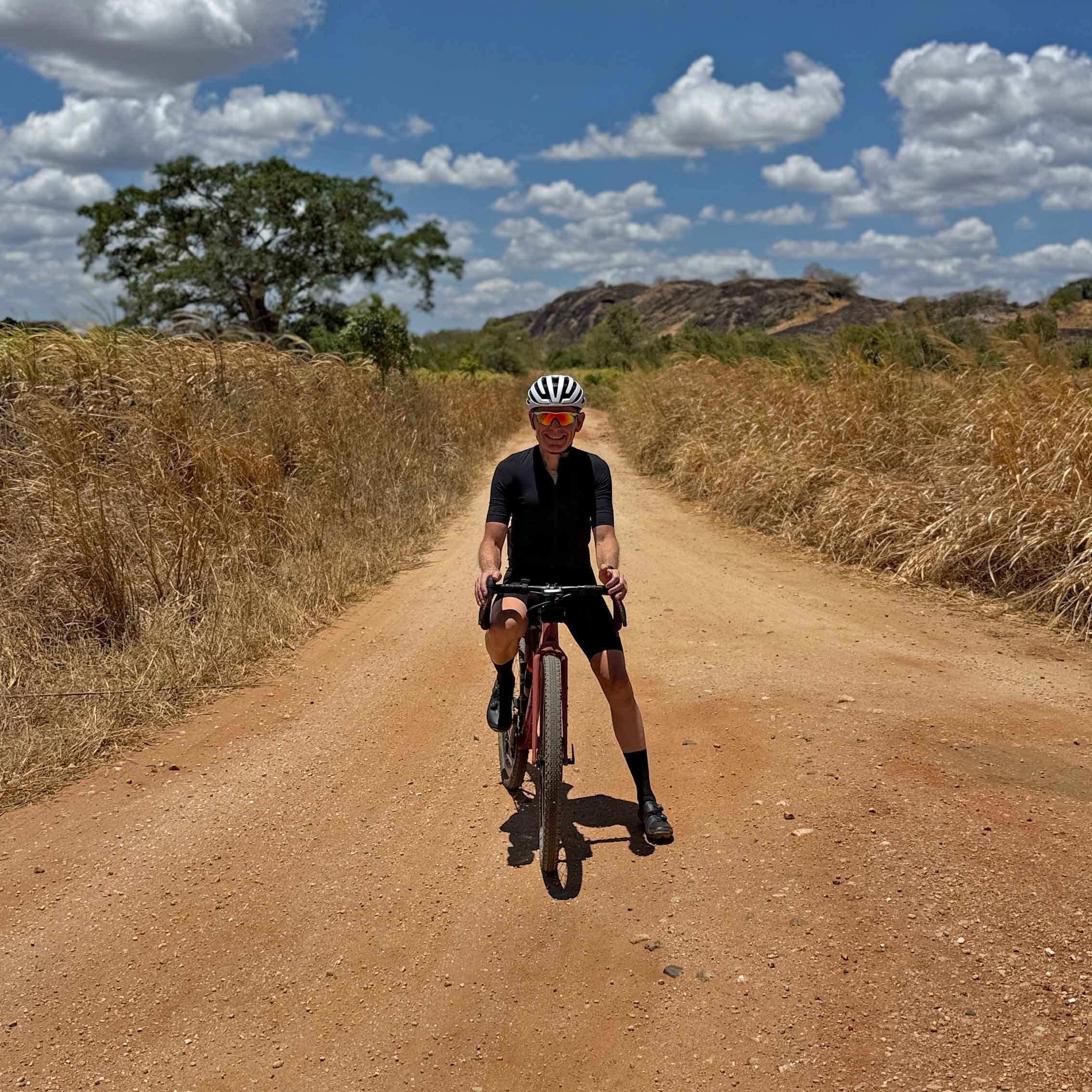
Image courtesy of Phil Evans
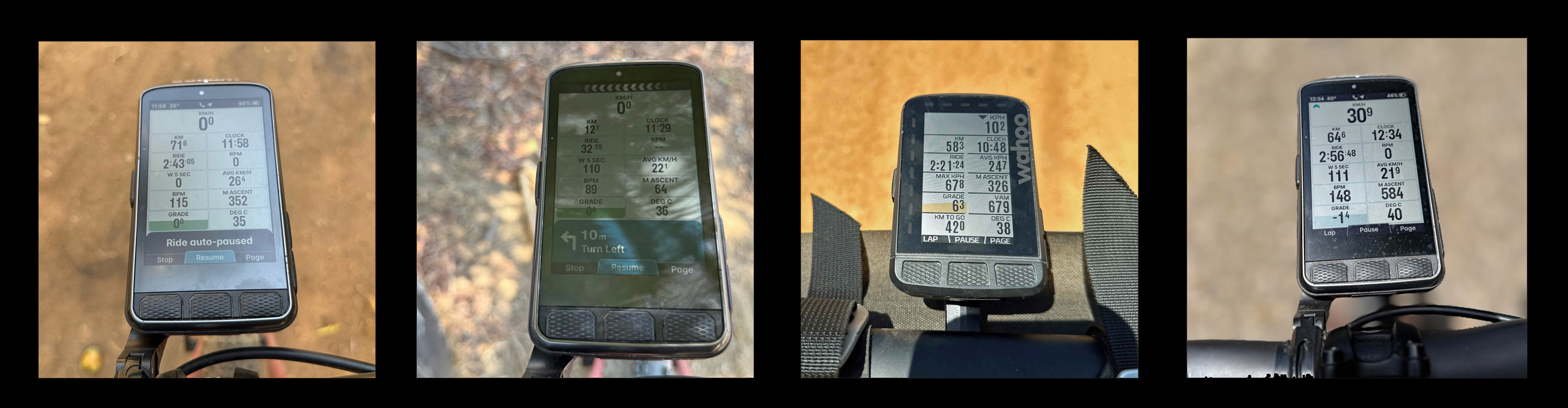
Exactly two years later, I found myself back in precisely the same spot. This time, the temperature was another 5°C higher, pushing into the low 40s, yet I felt like I was king-of-the-castle. So, what had changed? As it turns out, quite a lot of things – although none of them were particularly dramatic in isolation. Instead, it was a combination of relatively small adjustments that, when brought together, made a massive difference to how I coped with the heat.
Calories
Hindsight is a wonderful thing, but in 2024 I arrived in Sri Lanka with lots of miles in my legs, but not enough (metaphorically) in my stomach. I had ridden six hilly days in a row not long before I flew out and I suspect I hadn’t eaten enough on those rides either. Then, in Sri Lanka, while riding, I was trying to survive on a few snack bars and the fresh fruit/nuts that my support crew provided. These tasted fantastic, but were nowhere near enough calories to match the amount of energy I was burning.
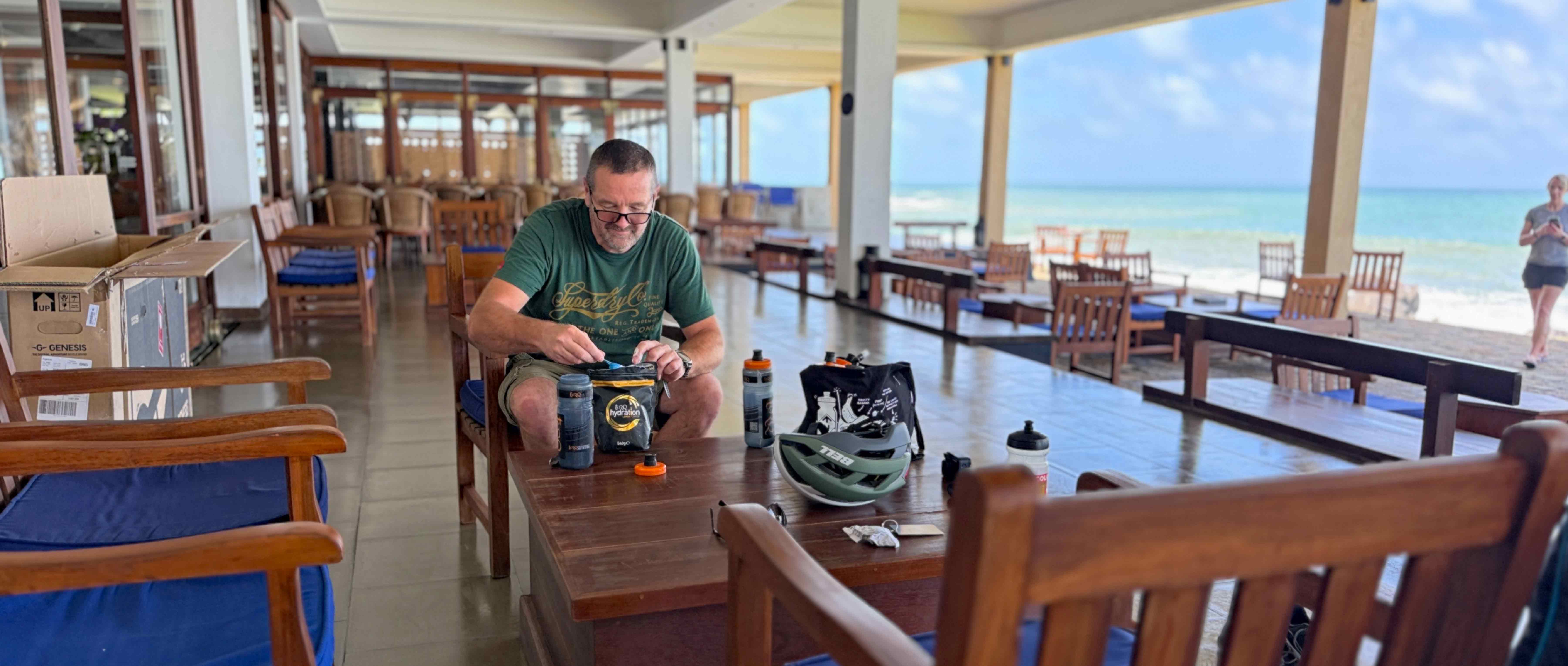
My 2026 trip, on the other hand, was powered by the lovely people at Torq. On my bike, I carried a 500ml bottle filled with their energy powder and, as I rode, I was steadily munching my way through a mix of their bars, gels, chews and flapjack. While the amount of sugar in this lot would probably make anyone in the dental business wince (or rub their hands in glee?), it meant that not only was I getting enough calories, but I was getting the right kind of energy too. At the end of each day, I would have a scoop of Torq’s D-Ribose powder and a couple of handfuls of homemade trail mix containing a wide variety of nuts, seeds and dried fruit. This helped kick-start the recovery process, so that the next day I felt pretty fresh when I clipped into my SPD pedals.
Hydration
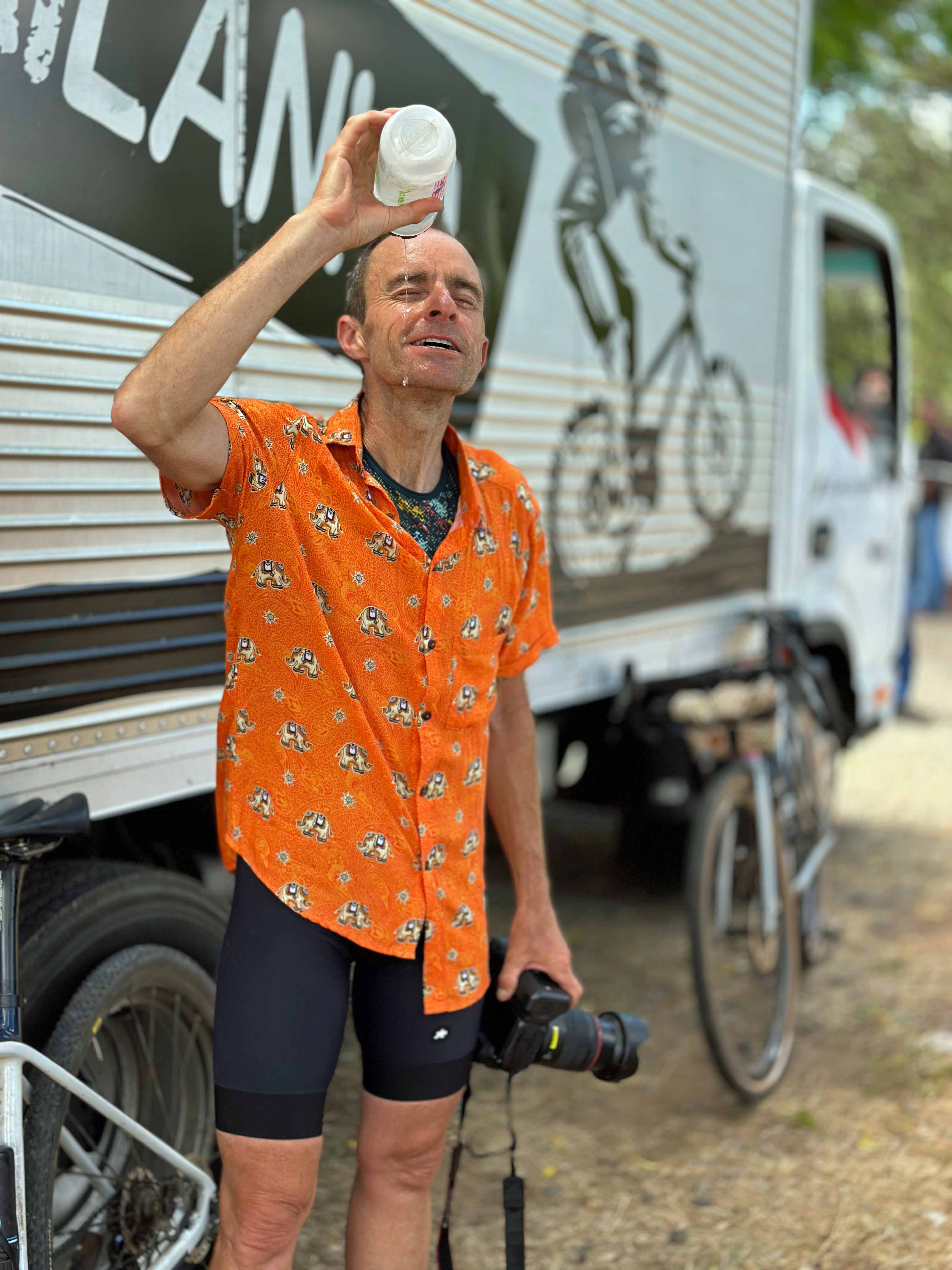
During my 2024 trip, I carried two 750 ml bottles on my bike, which I used as my liquid supply. At each of the stops, I would top these up, plus I would drink copious amounts of cold fizzy pop and extra water too. I would put a hydration tablet in one of the bike bottles to try and ward off cramp, but that was it. As each day heated up, the bottles got hotter, so the contents warmed up and became less and less palatable. Although I don’t remember precisely, my guess is that I wasn’t drinking enough volume to replace the liquid that I was losing through sweat.
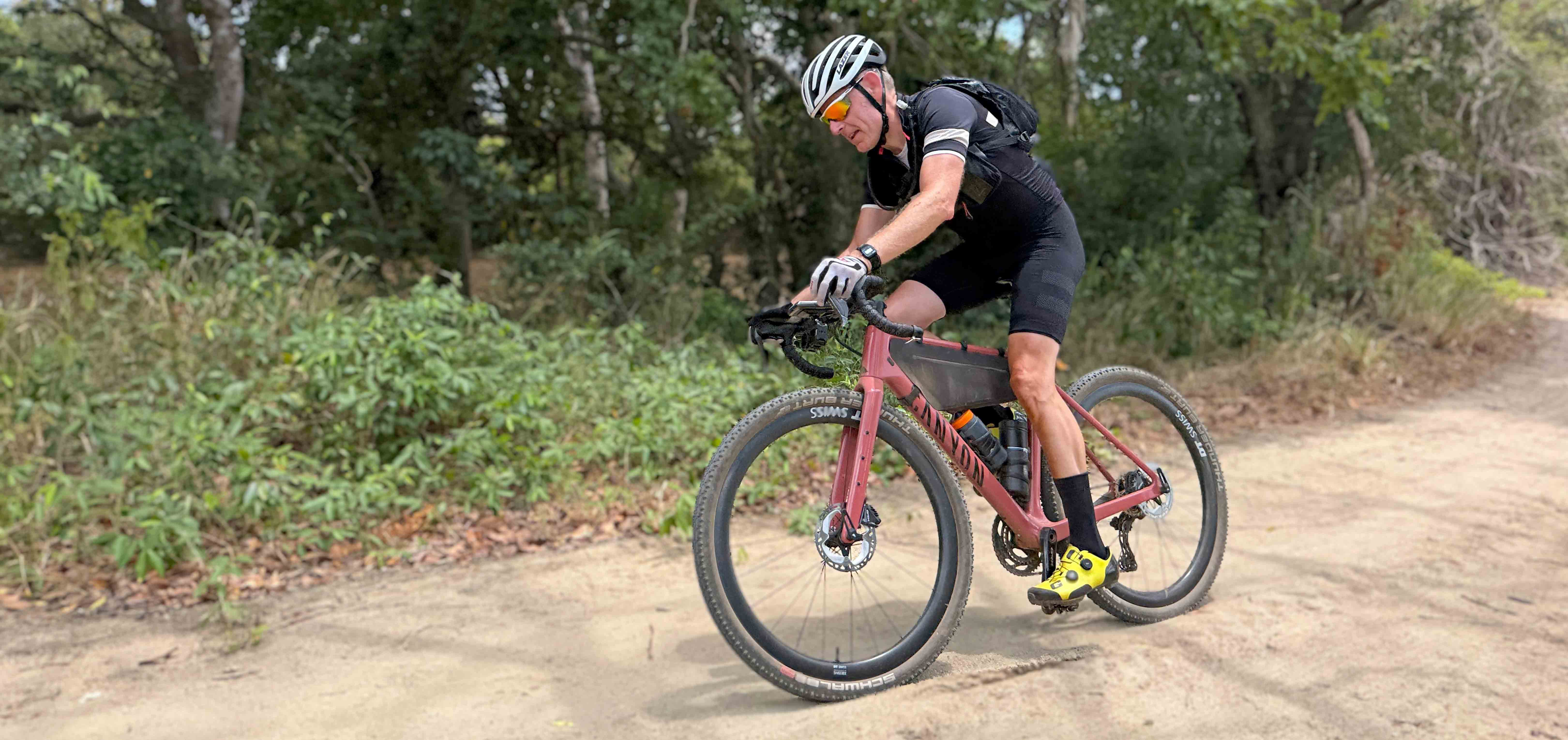
Image courtesy of Nilina Pathirana
This time around I ran a very different strategy. I had a 500ml bottle on my bike, which was either filled with Torq energy drink or Torq hydration drink. As the bottle was smaller, I would get through it more rapidly, which meant it never had time to get to the hideous lukewarm temperature that makes drinking so unappealing. To make accessing the bottle easier, I was using Restrap’s excellent side-loading bottle cages. These allowed me to easily get to my bottle, even when I was using a frame bag filled with camera gear. They proved to be incredibly secure and reliable, even on some of Sri Lankest roughest dirt roads! On my back I carried Restrap’s fantastic Race Hydration Vest filled with around 2 litres of water. Somehow, despite carrying it on my back, the design of the vest seemed to insulate the water from my body heat and it never got unpleasantly warm. Restrap had also sent me a couple of their soft flasks to use. These allow you to carry an extra 500ml of liquid in a collapsible, leakproof manner, but in the end I didn’t need them.
Protection from the sun
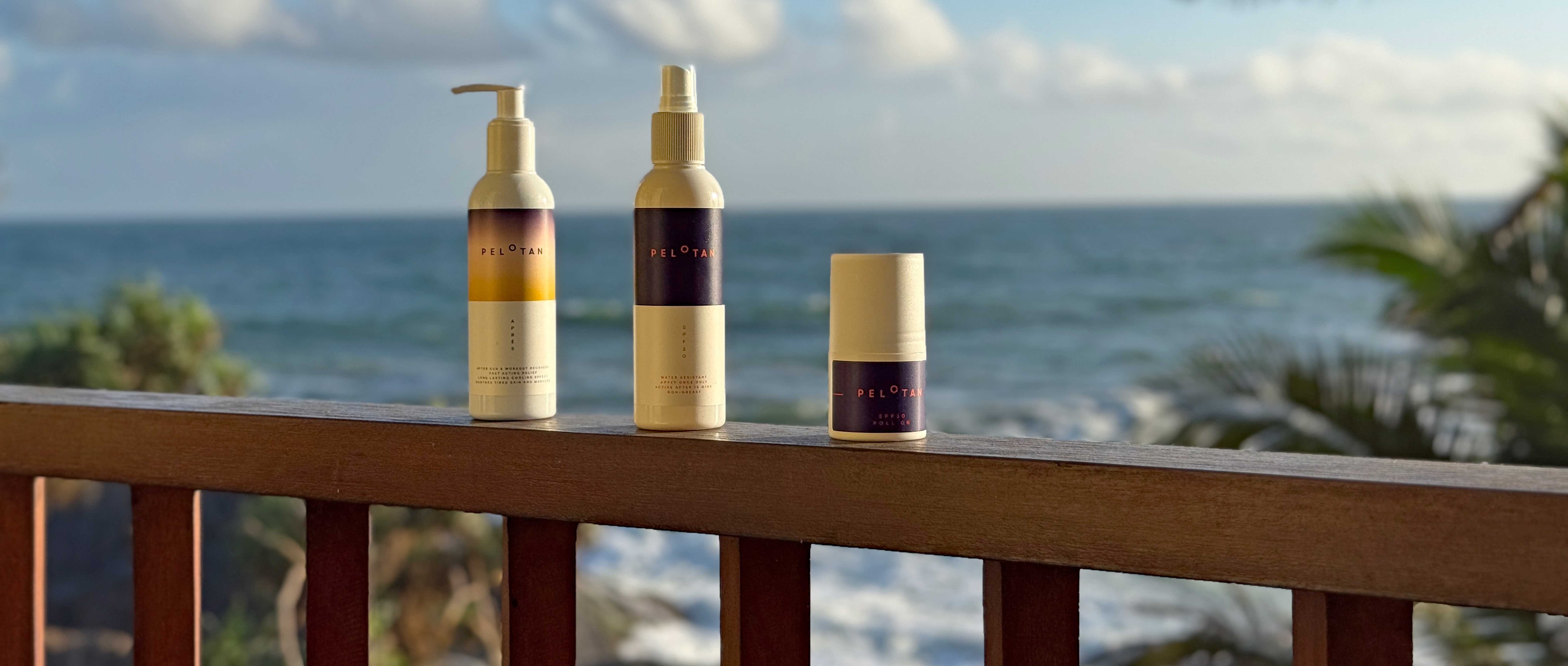
You might not immediately think of sunscreen as a performance aid, but as some of the world’s top professional cyclists will tell you, choosing the right sun protection can make a real difference. I'd never really considered the impact of UV exposure on cycling performance before, but spending too long in the sun without adequate skin protection can have a whole range of negative effects. One of these is an increase in body temperature, which can make riding in already hot conditions even more challenging. Before I headed out to Sri Lanka, I contacted the team at Pelotan and they sent me three products to try – a spray-on Factor 30 sunscreen, a small roll-on version of the same thing and a bottle of après-sun. You might initially be put off by the high price, but the difference compared to standard supermarket-bought sunscreen was vast.
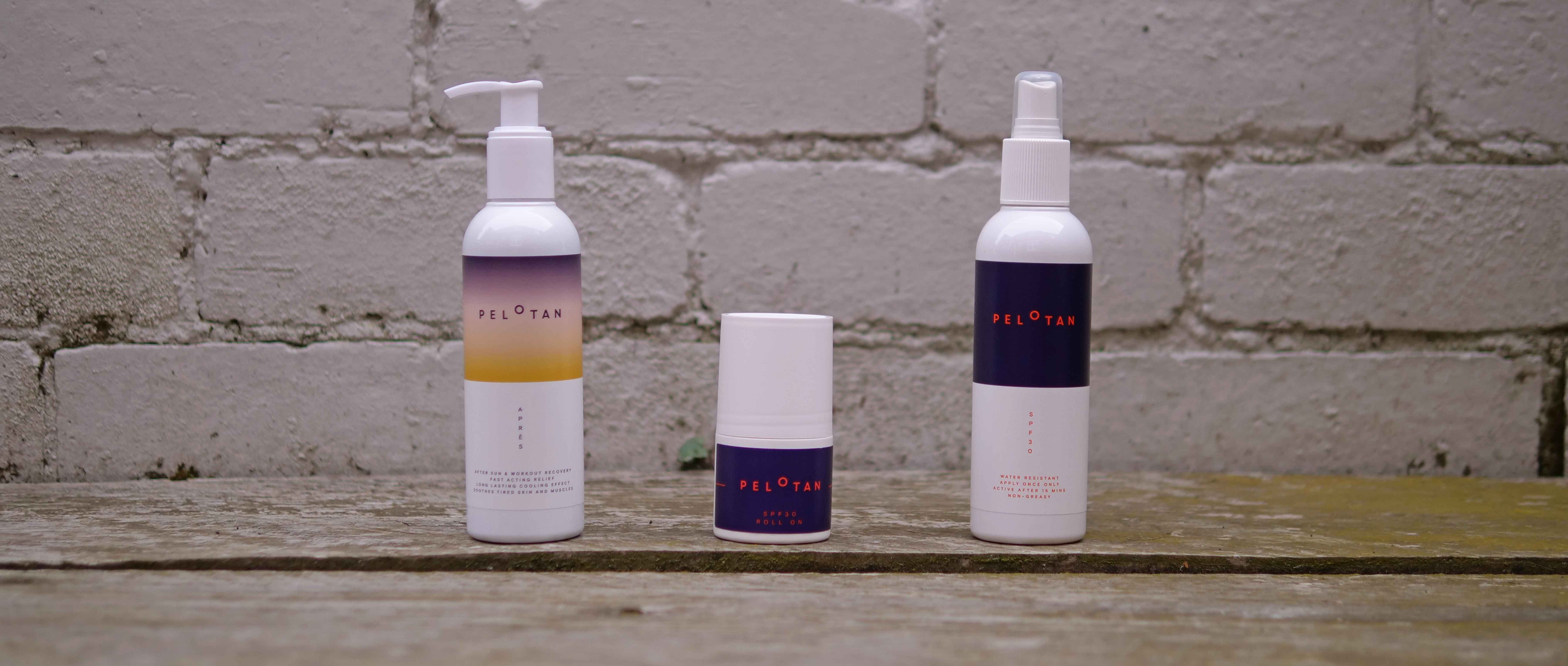
The major difference is how resistant the Pelotan sunscreen is to sweat. Pelotan say that their sunscreen has “been laboratory tested as lasting up to 8 hours at SPF 30, even with sweat.” They go on to say, “It is specifically engineered for use in sports where the skin’s ability to breathe and sweat effectively is absolutely paramount. Pelotan’s unique formula binds with the skin without blocking pores, meaning your body can effectively regulate temperature and you can fully commit to your workout.” While I can’t confirm the anti-pore-blocking aspect from a scientific point of view, the fact that the sunscreen continued to do its job, even on the hottest days, was noticeable and impressive. I always carried the roll-on version in my hydration vest and did top up my protection on a couple of über hot occasions, but on most days, as long as you were diligent about applying the Pelotan spray first thing in the morning, the coverage lasted for all of our riding hours.
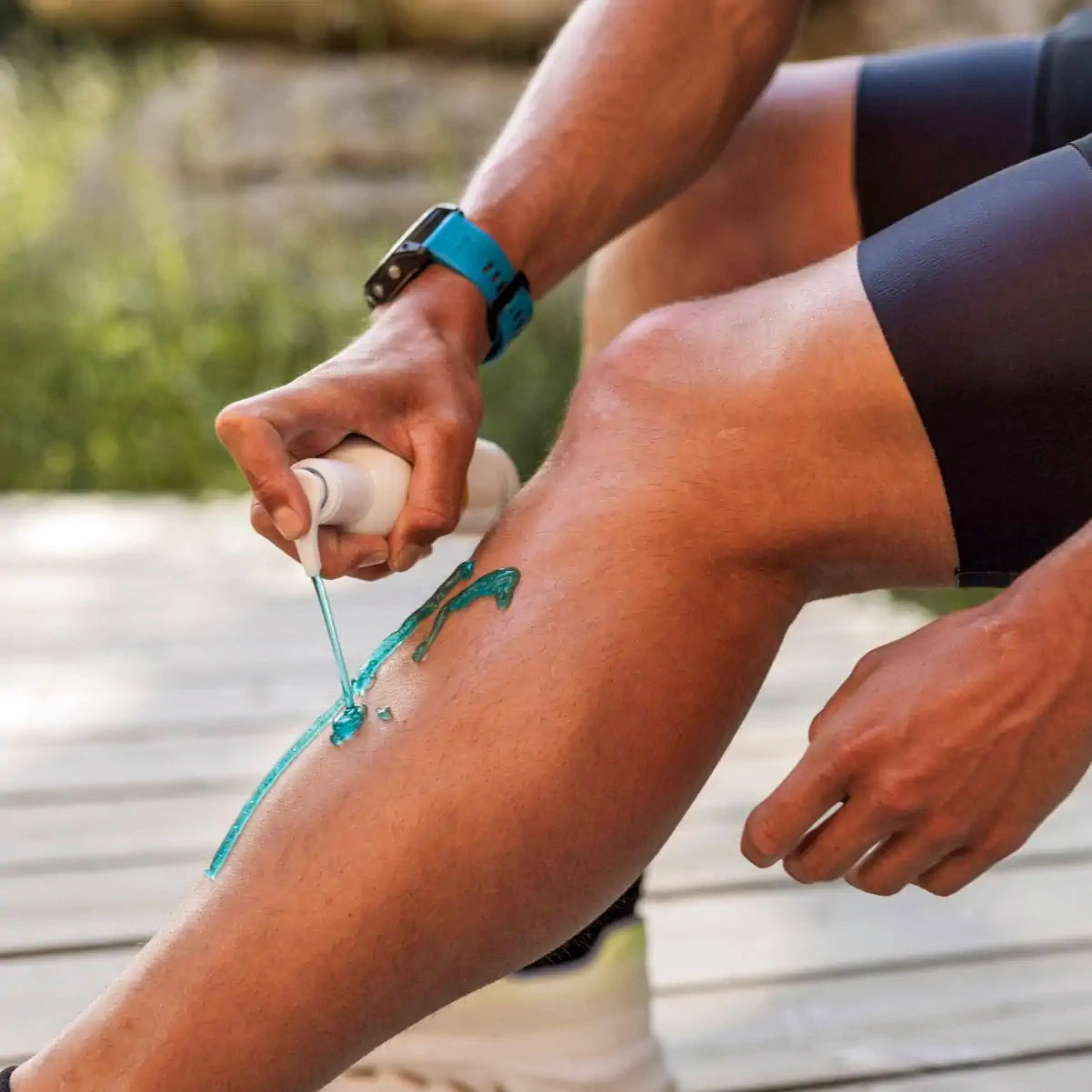
Image courtesy of Pelotan
Like most people, I’ve used sunscreen my entire life and the Pelotan SPF product didn’t feel that unusual/different to apply. Their Aprés aftersun gel, though, was something completely different for me. They describe it as a “specially formulated gel that contains a blend of ingredients, vitamins and minerals shown to help relieve and soothe tired skin and muscles post-workout.” Pelotan go on to say that “Aprés helps to bring down core body temperature, calm inflammation, restore and maintain a healthy skin barrier whilst reducing free radicals that can otherwise impair muscle recovery and function - meaning your body can focus its recovery efforts on where it matters.” Pelotan recommend that you apply their aftersun gel by “self-massaging it into skin and muscles for fast-acting relief and a long-lasting cooling effect.” I used about 10% of the volume shown in the image above and the cooling effect is spectacular. Particularly the first time you apply it, the shock of how much the gel seems to cool your skin is quite remarkable – it’s like rubbing a gel version of ice cubes into your skin and certainly helps make you feel more relaxed and energised after you apply it.
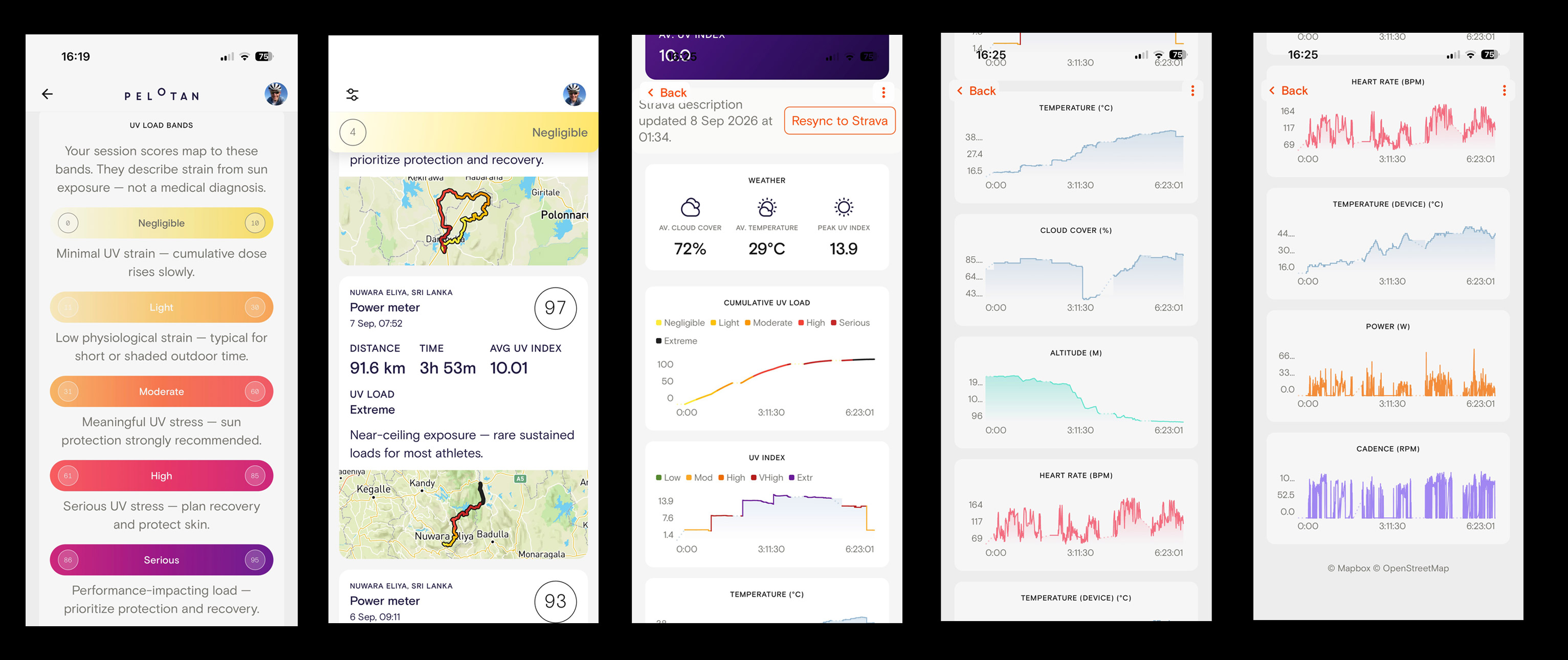
As well as creating physical products, Pelotan have produced a smartphone app which gives you a quantitative measure of your cumulative exposure to UV light. The UV Load app relies on you having a bike computer and a linked Strava account, but assuming you have both, it gives you access to an impressive range of summary data from your ride, including an overview of your “strain from sun exposure”. While it won’t revolutionise the way you ride in hot weather, the app will work as a data-driven reminder to use sunscreen and aftersun in order to help look after your skin.
It’s all about the bike
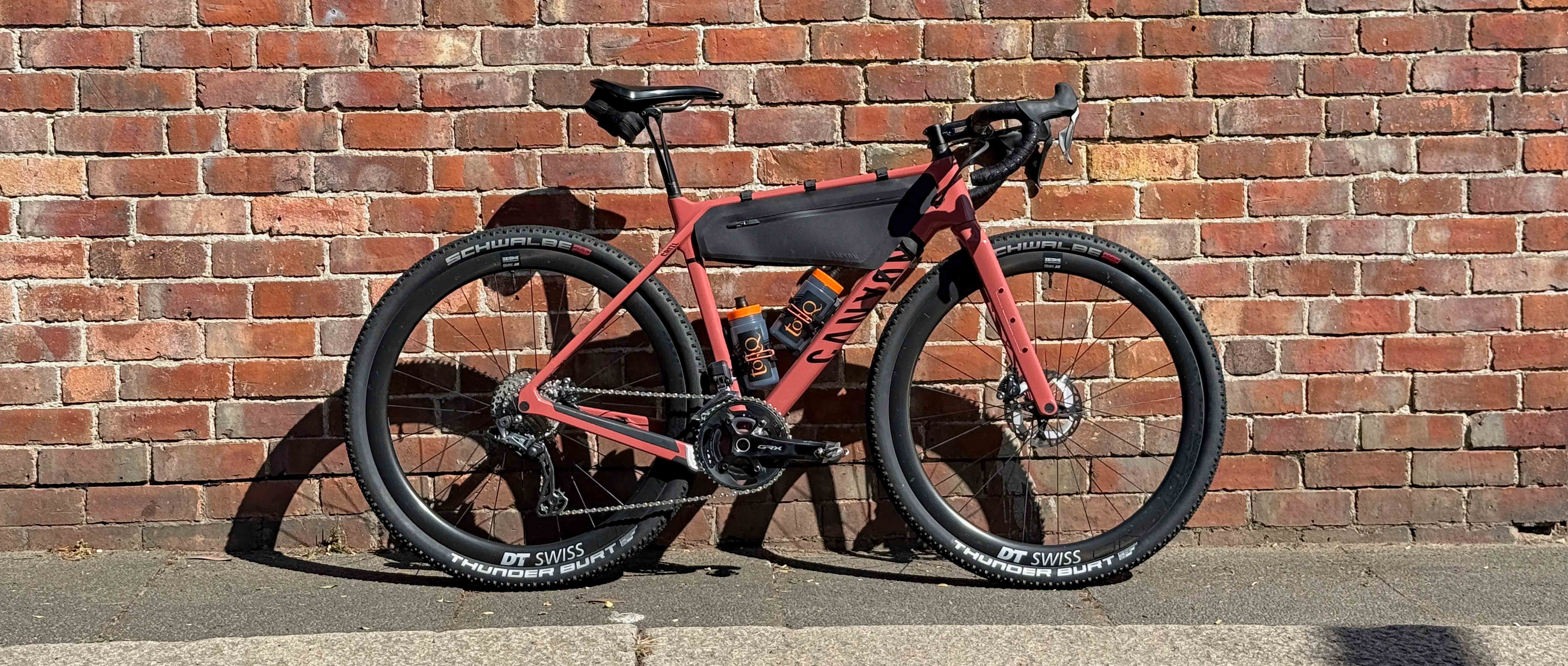
You might not think about the impact that riding a properly fitting, well-maintained, correctly adapted bike will have if you’re riding in super-hot conditions, but I’m a firm believer that if you’re comfortable and confident in your bike set-up, you can relax more and focus your energy on just pedalling and enjoying yourself. For my most recent Sri Lanka trip, I took my trusty Canyon Grizl with me, but made a couple of adaptations to make it more suited to the hot and dry conditions. I knew I was going to be carrying a range of camera kit with me, so efficient storage was important. A well-fitting frame bag swallowed everything I needed it to, but it made accessing my bottle cages more complicated. For this reason I fitted a pair of Restrap’s side-loading cages. I knew from prior experience that the riding surfaces would be a mixture of well-compacted dirt roads, plus sections of tarmac, concrete, loose sand and gravel, so big-volume, fast-rolling tyres were the order of the day. Schwalbe’s Thunder Burts were absolutely perfect, offering amazing comfort and surefootedness, while minimising rolling resistance. My final addition was to fit a Redshift Quickdraw seatpack under my saddle to carry puncture mending essentials. Fortunately, despite the super-hot conditions, the bike behaved impeccably and I didn’t need to adjust or repair anything during the trip.
It’s not just about the bike
It would be lovely to think you could “will” yourself to adapt to riding better in hotter conditions and I suspect that, to a small extent, that might be true, but there are also some simple physical tips which are likely to make a much bigger difference:
- Apply cold (or cool) water as often as you can to the back of your neck, your arms and your upper legs as this will help stabilise your core temperature.
- Wear clothing which wicks well and which is as lightweight as possible.
- Try to use the best ventilated helmet that you can.
- Think about your contact points – make sure your gloves (if you wear them) and shoes are well fitting and are as lightweight as possible.
- Your body will be under much more stress than normal and this means your heart rate level is likely to be significantly higher. It’s worth getting a heart rate monitor so that you can keep an eye on your heart rate and reduce your effort if you see your heart rate spiking.
- Remember to keep up your calorie consumption. Although you might not feel like eating if it’s super-hot, your body will be burning more energy than normal trying to keep you cool. Matt Hart’s excellent guide to fuelling is really worth reading.
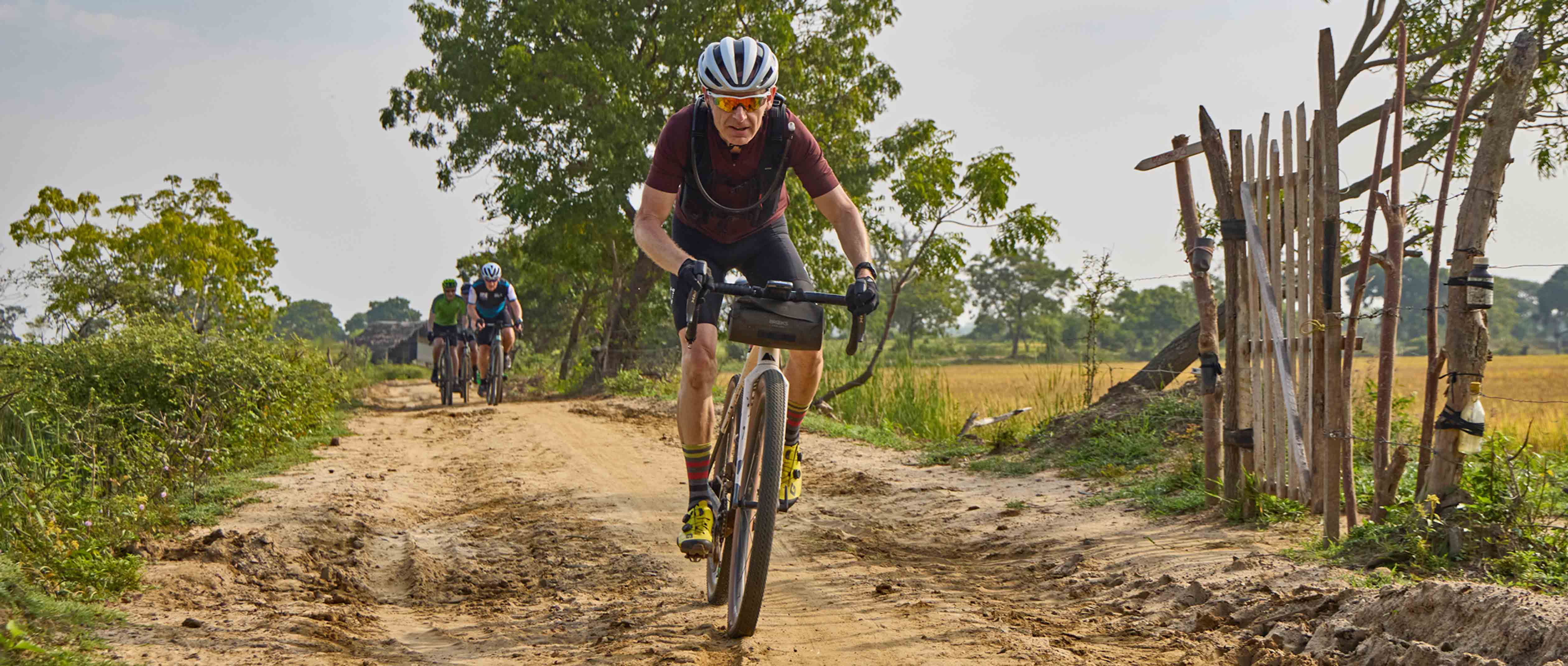
Image courtesy of Michael Blann
Riding in really hot conditions is not for everyone – you only have to look at the dramatic rise in sales of “coolcations” this year to see how many people really dislike the heat. However, for many of us, it is unavoidable if we want to get out on our gravel bikes year-round. Whether you will ever turn into a weird, pale-skinned northern lizard like me is unlikely (and probably undesirable), but with a combination of careful preparation, the right clothing, efficient hydration/nutrition and some simple cooling techniques during your ride, hopefully everyone can get to the end of a hot day in the saddle safely and happily.