Let’s be honest: bike journalists have it pretty good. We get to ride some seriously expensive bikes, put them through their paces, get them covered in mud and then send them back. For a lot of people, though, spending many thousands of pounds on a new bike is little more than a pipe dream. So, for our latest bike test, we’re bringing things back down to earth with the Genesis CDA20. Costing less than many carbon gravel wheelsets, it promises an affordable way into gravel riding without the eye-watering price tag. But when you spend less, what exactly are you giving up? Olly headed out into the hills to find out whether budget-friendly really has to mean compromising on ride quality and enjoyment.
I’m lucky enough to have a small utility room at home where my wife and I keep our outdoor footwear. Shiny carbon-soled SPD shoes sit alongside trainers, infrequently used walking boots and a pair of ancient pumps, missing their laces, that my wife reaches for whenever she needs to nip outside. Taking pride of place, at least as far as I’m concerned, is a pair of green, rubbery boots that reach halfway up my calves. Made by Dunlop, a company historically renowned for its car and bicycle tyres, they feature a synthetic fur lining, steel toe caps and a steel-reinforced sole. They’re designed for wearing on construction sites, where protecting your feet is essential. I’ve owned a variety of different pairs over the last 25 years, ever since my days as a graduate environmental engineer, when I stood on the edge of a landfill site in southeast London, dressed in pristine new high-vis, wondering what on earth I was doing with my life.
You might not immediately see the connection between a pair of rigger boots and a gravel bike, but bear with me. In my experience, rigger boots are surprisingly comfortable, if a little agricultural. In six words, that’s also my TL;DR summary of the Genesis CDA20.
From the outside, life as a cycling journalist probably looks pretty jammy. After all, many of us get to ride test bikes from a variety of manufacturers and then give them back when they’re dirty and a little more worn out than when they arrived. I’ve been fortunate enough to have ridden some incredible bikes over the years, including some stupidly expensive ones. The problem is, of course, that you can get a little blasé. “Oh, another beautiful-looking bike for me to ride, fitted with wheels which cost more than I earn in a month.” It’s not exactly a hardship, but it is easy to forget that for most people, buying a £5000+ bike is something they dream of, rather than an everyday reality.
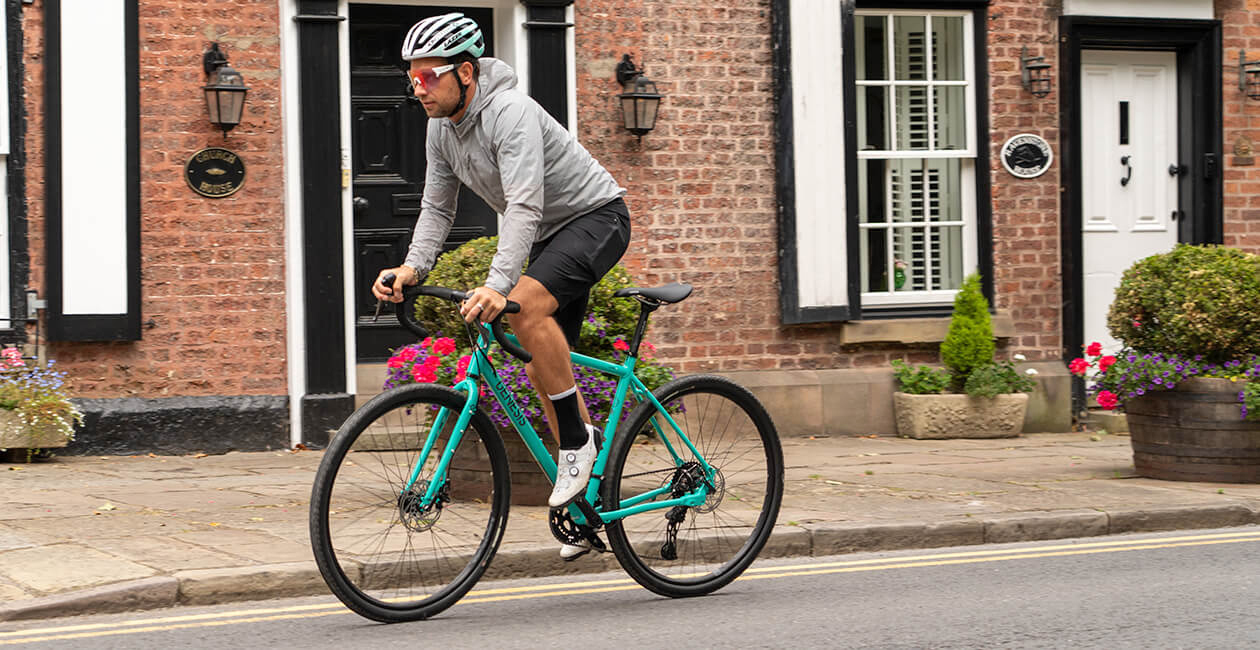
Image courtesy of Genesis Bikes.
Background
I figured that for our latest bike test, we would feature something a little more down-to-earth. Genesis Bikes launched their first Croix de Fer bike back in 2008. Initially they billed it as a ‘cross bike’, but they meant cross as in “ride (a)cross anything”, rather than pure CX. Nearly twenty years later and the brand offers a range of bikes from a world tourer to a monstercross to an e-gravel bike. The bike I had asked to test was the Genesis CDA20, which the company describe as “blending [a] rugged gravel pedigree with urban practicality.“ They go on to say that the CDA20 is “Designed as our entry-level drop-bar bike. It is built to handle everything from mixed-surface trails to early morning commutes — lightweight, comfortable and dependable.” The retail price is a very reasonable £999.99 and you can either buy the bike online via Freewheel or from one of a substantial number of bricks-and-mortar retailers. At the minute retail outlets are limited mainly to England and Wales, plus one in the Netherlands and one in Germany.
The details
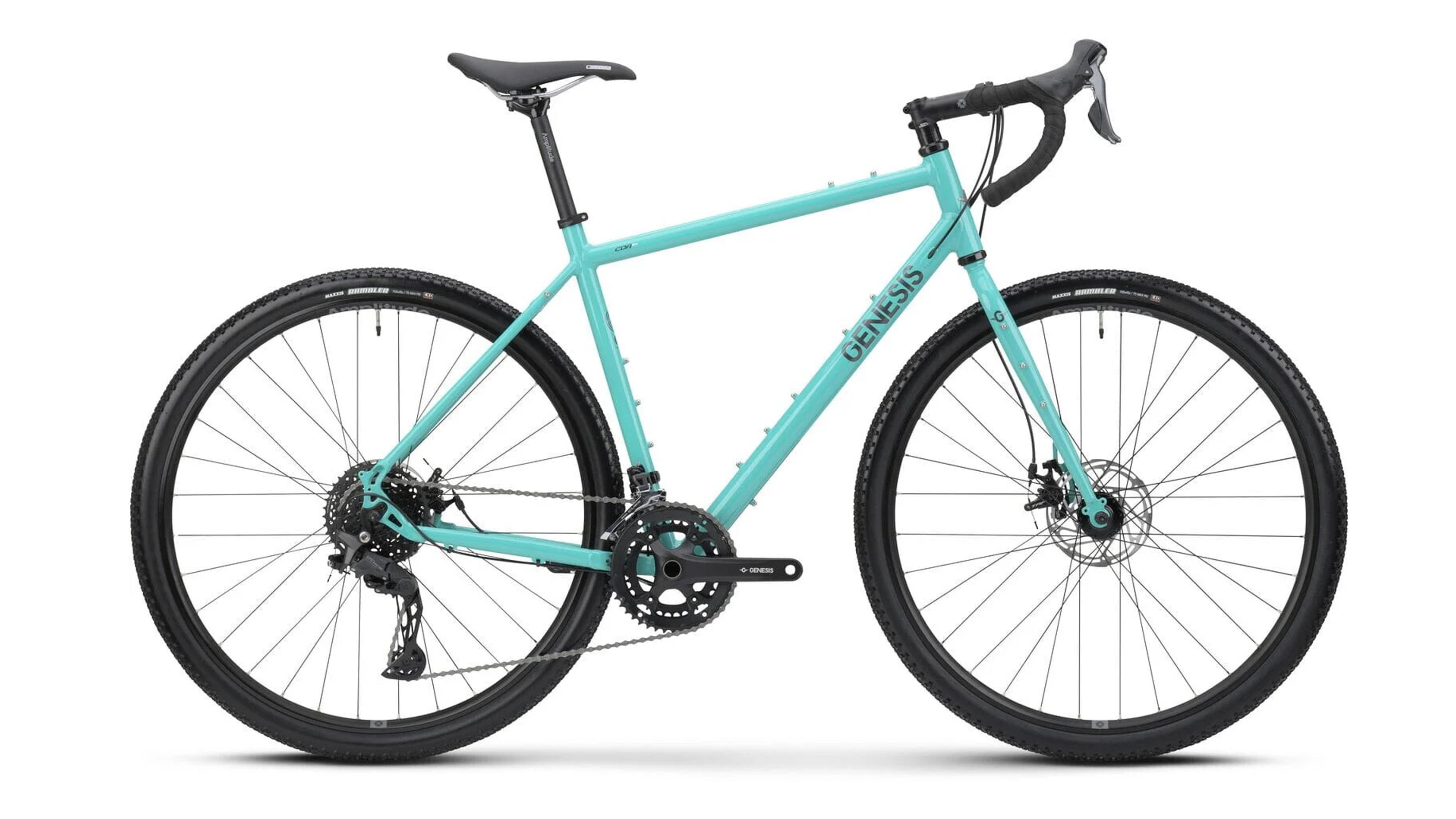
Image courtesy of Genesis Bikes
Considering the relatively low price point, the spec on the CDA20 is decent:
- Frame & Fork
- Genesis ALX8 6061 Aluminium Tubing
- Amplitude G100 Chromoly Fork
- Drivetrain
- Shimano CUES U6000
- 2x10-speed
- 46/30T Chainrings
- 11-39T Cassette
- Components
- Amplitude G50 Finishing Kit
- Madison Flux Switch Saddle
- Wheelset
- Amplitude G50
- Six-Bolt Rotor Mounts
- QR Front & Rear
- Brakes
- TRP Spyre Mechnical Discs
- 160mm Rotors Front & Rear
- Extras
- Maxxis Rambler 700 x 45mm Tyres
- Integrated 40mm Kickstand Mount
- Mudguard & Rack Mounts Front & Rear
There are a few features worth noting:
- The frame and forks are designed for quick-release wheels only, so anyone considering fitting a spare set of wheels for road-going duties or for any other reason will need to check that they are compatible.
- The disc brakes are cable-operated, not hydraulic – this is way simpler (and cheaper) but might need a bit of mental (and physical) adjustment if you’ve previously used hydraulic discs.
- My bike was a media test bike and had a slightly different spec to the retail version. It came with a 700x40mm Maxxis Rambler rear tyre and a wider 700x45mm Maxxis Rambler front tyre. The tyres fitted to my bike were the wire-beaded variants, which are sadly not compatible with a tubeless set-up.
- Mine didn’t come fitted with a kickstand, so I can’t comment on how well (or otherwise) this works.
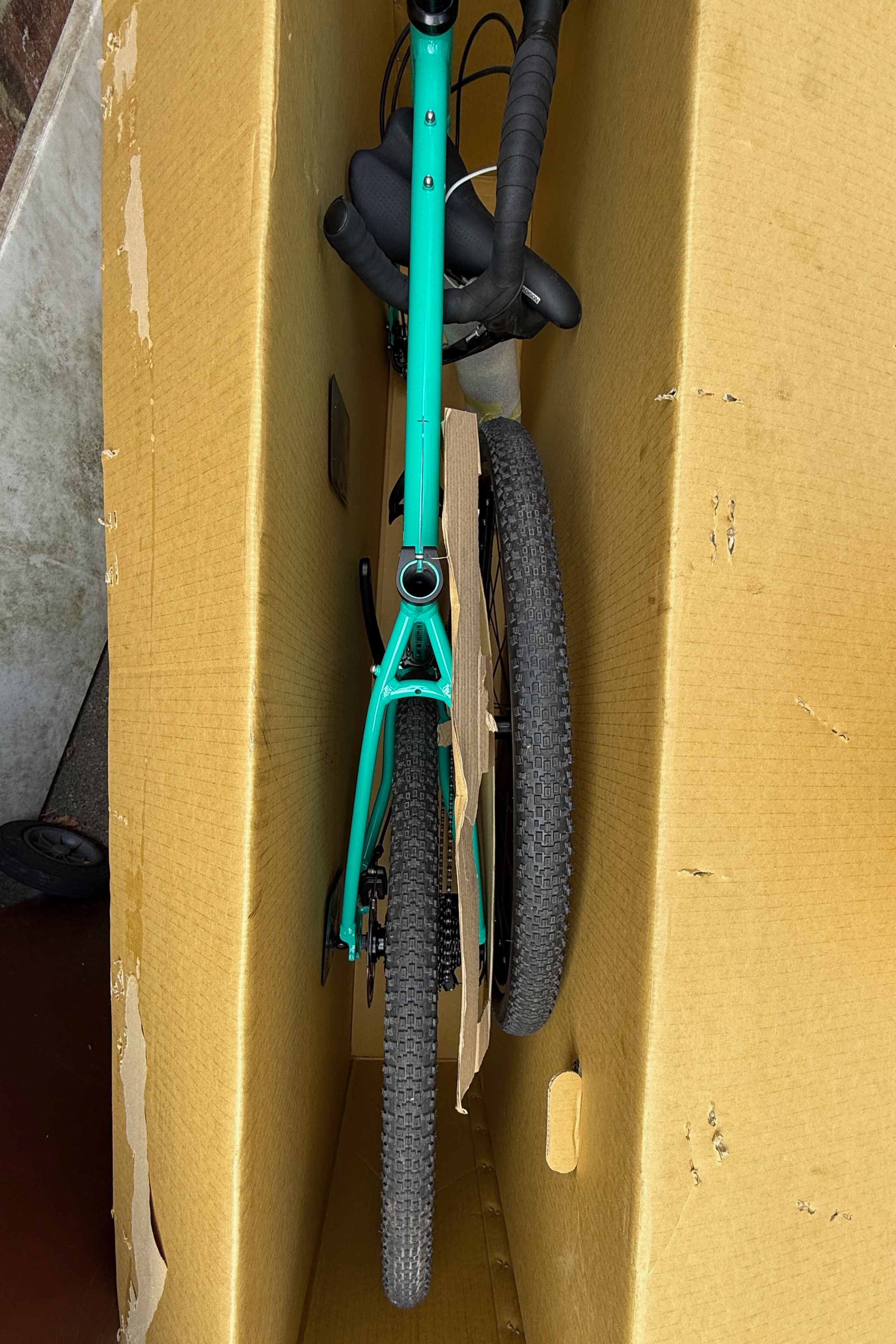
Mine was delivered directly from Genesis HQ and came boxed. As I mentioned earlier, it was a media test bike, so my experience might be slightly different to the one you would have if you bought it online from Freewheel. There were a few little niggles which I spotted straight away – the cardboard padding in the box was extremely minimal to say the least, which meant the downtube of the frame arrived with a couple of scratches in the otherwise flawless paintwork. The finishing tape in the centre of the handlebars had peeled away and needed re-doing. One of the zip ties which fix the rear brake hose under the bottom bracket had gone missing and needed replacing. The front mech wasn’t aligned properly and needed a bit of tweaking to get it working perfectly. There was slight play in the front brake. It felt like a loose headset, but the movement was at hub level and seemed to be down to the front disc calliper. Both brakes needed a bit of slack taken out of the cable tension to set the lever pull to my preferred amount. None of these were big issues and for anyone buying their CDA from a shop, it’s exactly the kind of things that a pre-delivery check is designed to pick up. For anyone buying it online, it’s worth bearing in mind that you might need to allocate a bit of time to getting the bike adjusted/tweaked before it’s perfectly ready to ride.
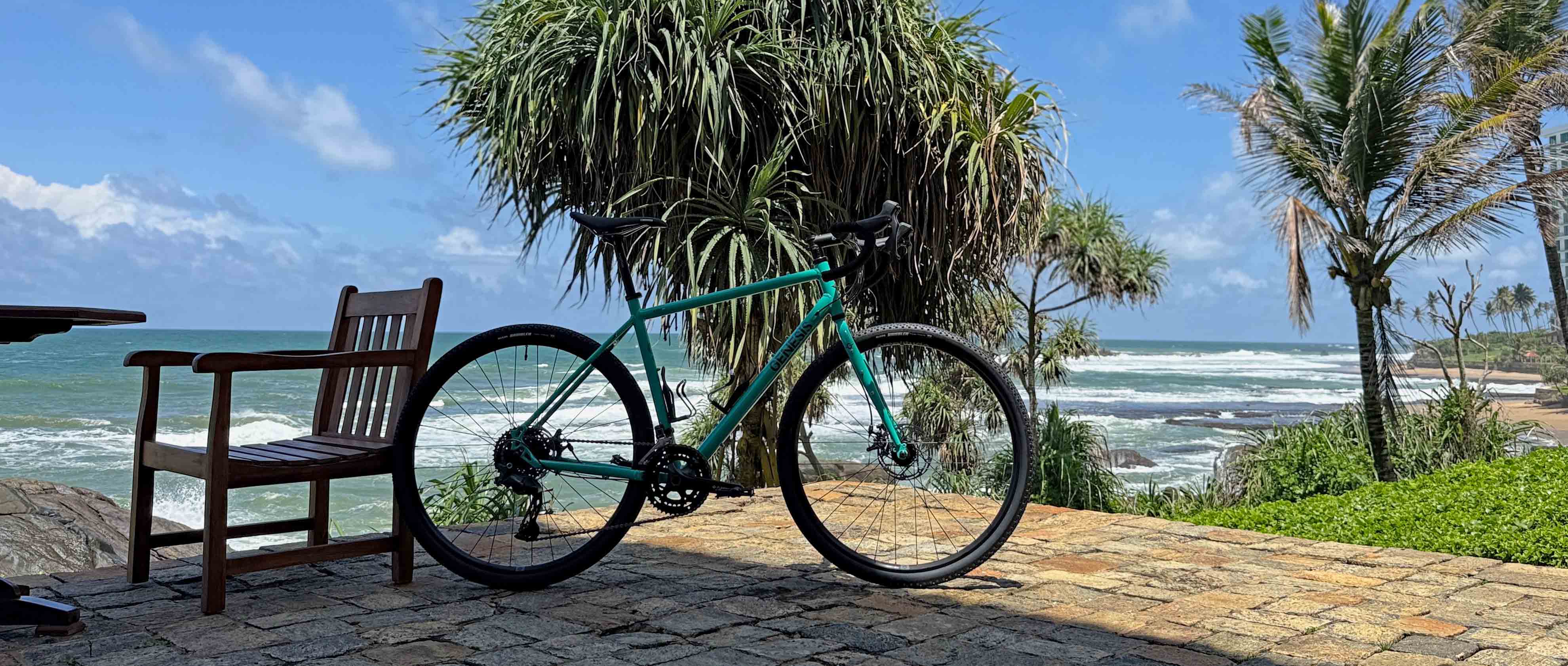
A short while after I built up my test bike, I had the pleasure of working in Sri Lanka for a couple of weeks, getting a behind-the-scenes view of the Ride SriLankan gravel event. The event organiser has a limited number of CDA20s available to hire and on the first day of my trip, I built up one of the brand new bikes. It arrived much better padded than mine, but still needed a bit of fettling to get everything set up perfectly. Interestingly, unlike my media test bike, the event bike came fitted with a plastic spoke protector, which sits between the largest sprocket and the spokes in the rear wheel. From bitter experience, I hate them with a passion and true to form, this one partly broke and then jammed in the rear wheel during our first ride. I would highly recommend removing them before your first ride and then double-checking that the limit screws on the rear mech are adjusted properly so that your chain can’t jump into the spokes.
First impressions
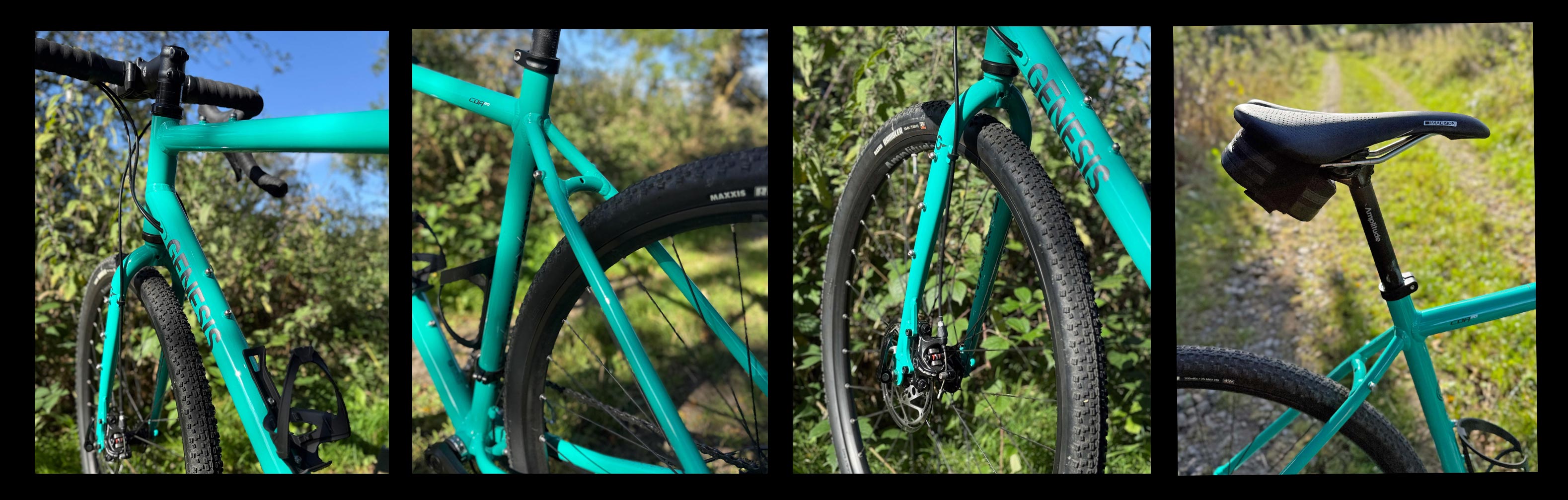
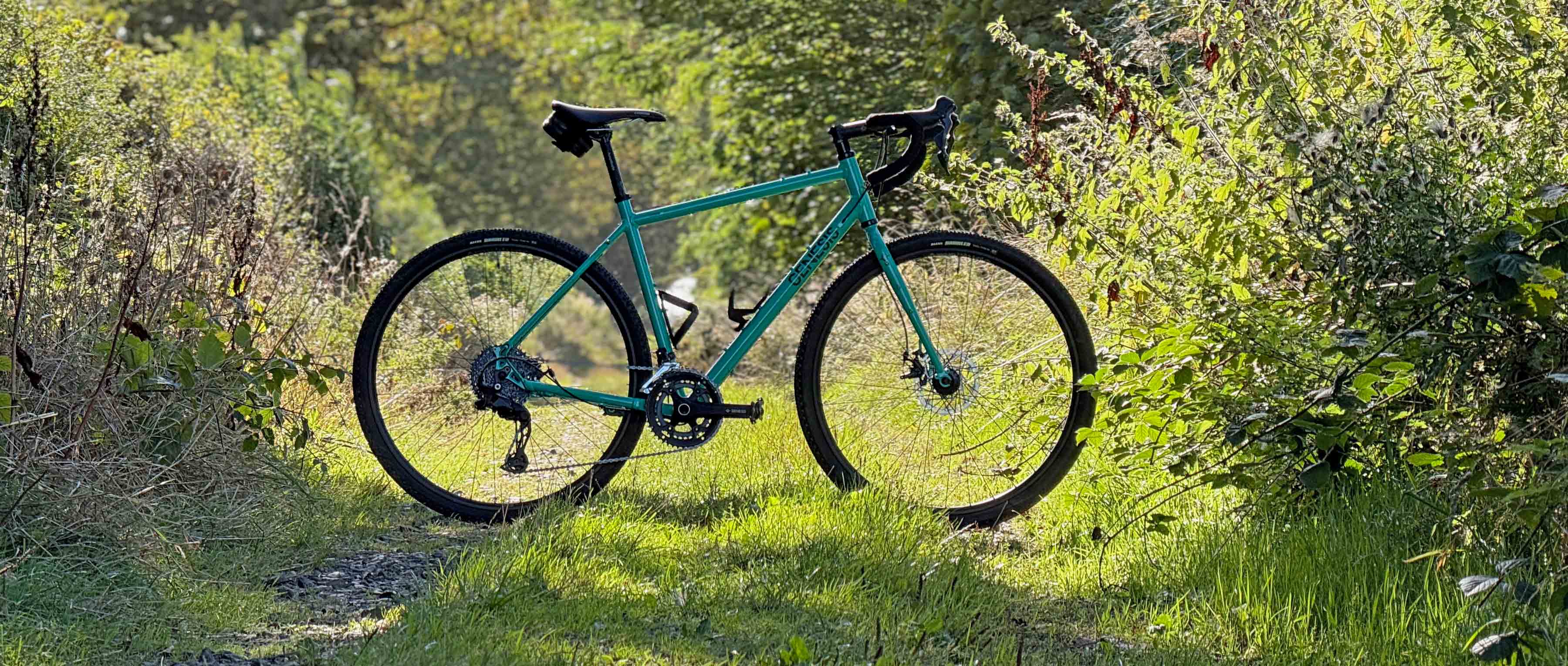
The CDA20 is a really good-looking bike. The product manager in charge of spec’ing the paint scheme and components has done a brilliant job and the bike looks significantly more expensive than its price tag would suggest. The tubing is remarkably svelte, which, considering the frame is constructed from 6061 aluminium tubing, is not what I would have expected. The wheels and finishing kit come from Genesis’ in-house component brand, Amplitude, and they’re all classy-looking and understated. Even the little details, like the quality bar tape, showed that someone had paid a lot of attention to the user experience, rather than just a spreadsheet. The only disappointment was the wire-beaded tyres. This meant that even if you fitted tubeless rim tape and valves, you still couldn’t run the tyres tubeless. If this is something you would be interested in doing, you will need to budget for some replacement tyres straight from the start. I came up with a bit of a compromise and removed the valve cores fitted to the inner tubes, then added a decent slug of high-quality tubeless sealant. I figured that, even though it wouldn’t give me the magic carpet ride of a 'proper' tubeless setup, it would hopefully help keep the puncture fairies at bay.
How does it ride?
It’s worth noting in the overview of the CDA20 on the Genesis Bikes website that they describe the bike as entry-level, for use on mixed-surface trails and for commuting. They don’t explicitly describe it as a gravel bike, which is useful for helping to manage the expectations of potential owners and also gives you a good insight into who they think the target audience are – people just getting into riding, who want a decent-quality multi-purpose bike without breaking the bank.
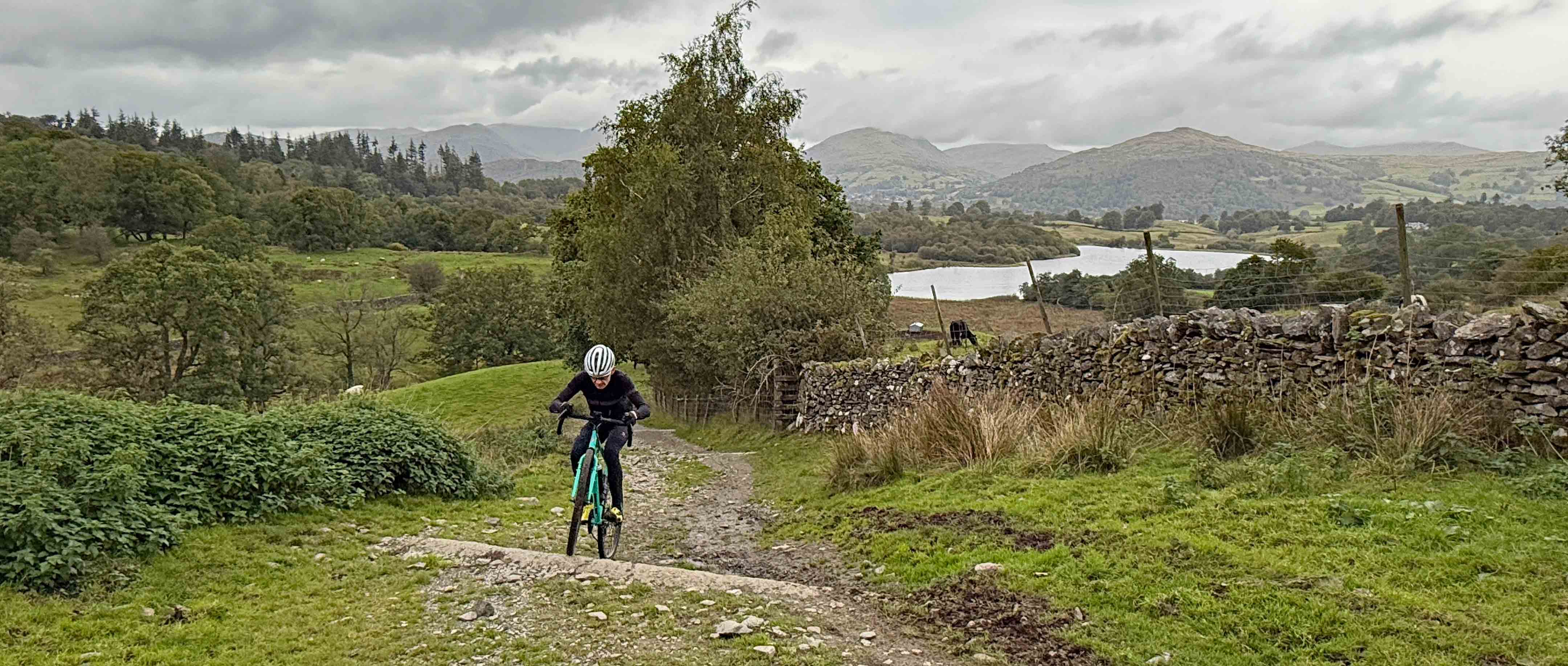
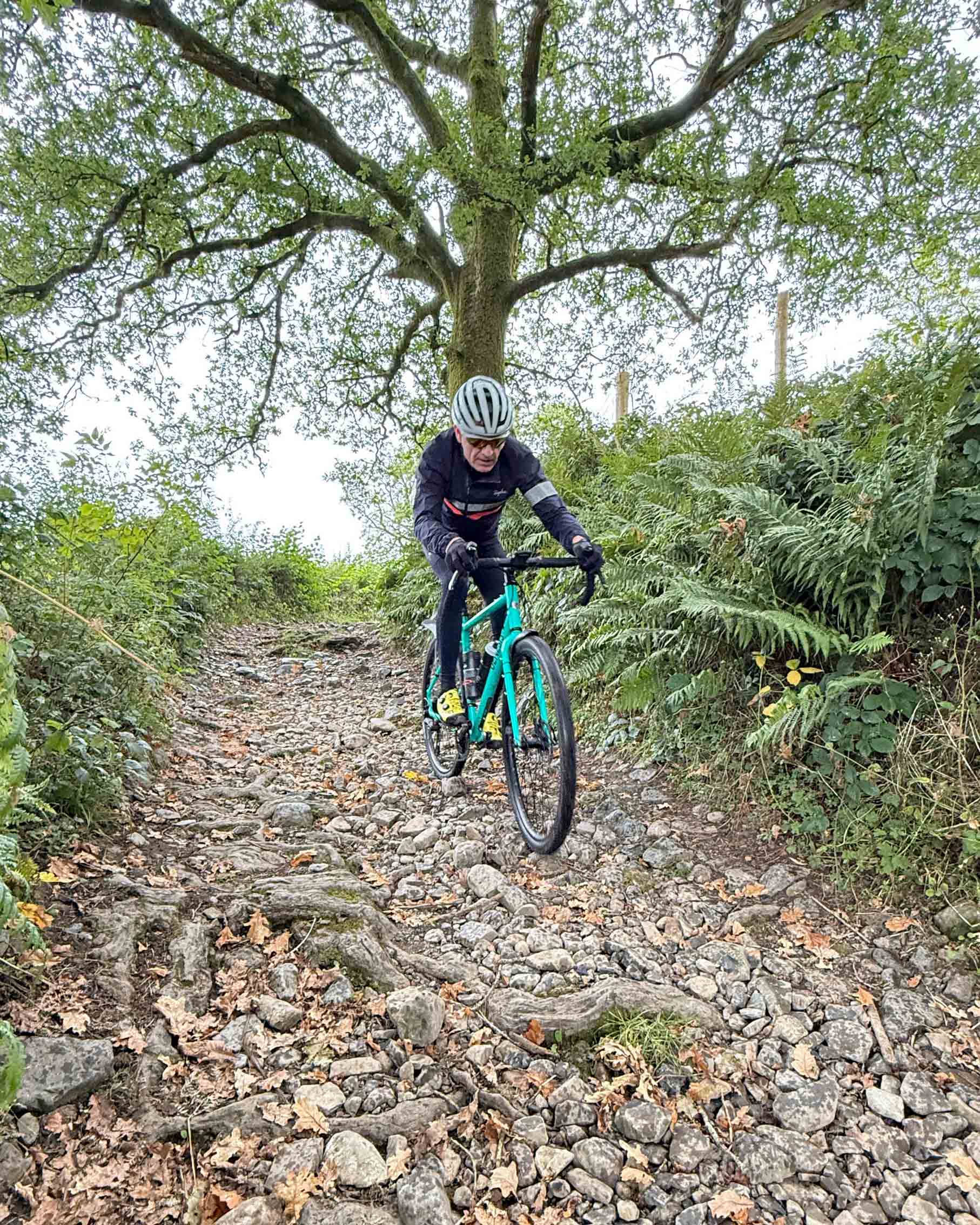
I read the marketing information about what Genesis thought the ideal ‘use case’ would be for the CDA20 and totally ignored it. During the test period, I spent a long weekend staying with friends over in the UK’s Lake District. Famous for its volcanic bedrock, somewhat inclement weather and lumpy terrain, it’s probably not exactly the destination that the Genesis design team had in mind for an initial test ride. The geometry and out-of-the-box fit of the CDA20 are quite different to how I have my own bikes set up. I have relatively long legs and a shorter torso/arms, so I have my bikes set up with an inline seatpost and the saddle pushed forward on the rails. In comparison, the Genesis had a longer reach than my own bikes and the saddle was relatively shifted much further back. This initially felt a little odd, but it didn’t take long before I was used to it.
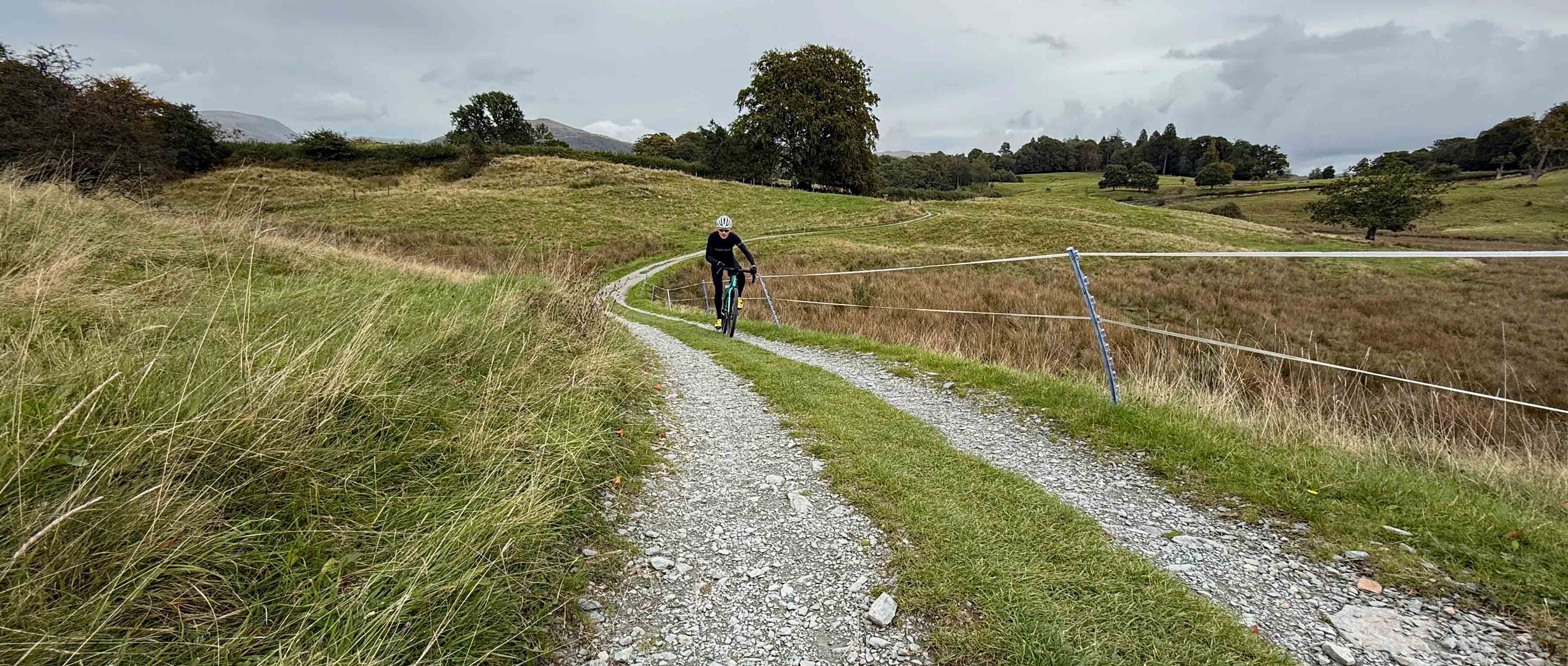
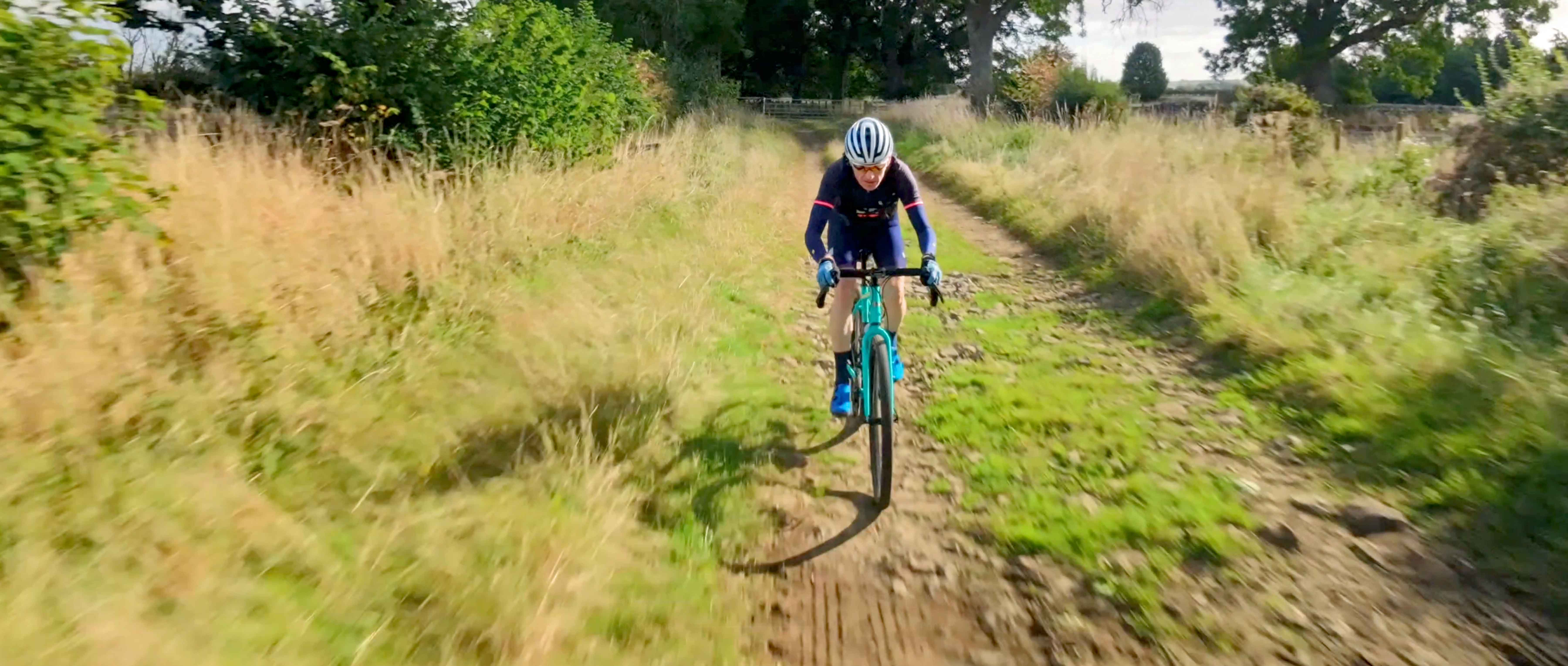
Apart from fitting a set of SPD pedals and adding some tubeless gloop to the tubes, I ran the bike ‘stock’. I was absolutely amazed by how well the CDA20 rode. I was expecting a harsh ride, thanks to the aluminium frame, narrow tyres and relatively low-end components, but all my expectations were blown out of the water. The CDA20 is not a light bike – nearly 4kg heavier than my normal gravel-bike-of-choice, but it rides much lighter than you would expect based just on a carpark heft test. Our trails on the first ride were a combination of relatively smooth vehicle-width gravel tracks, some woodland singletrack and a few sections of significantly more demanding trails – steep/loose/wet climbs, rooty/rocky downhills and a few sections of greasy farm track. Despite the skinny tyres, the CDA20 climbed way better than I would have expected and also somehow managed to float over the rooty/rocky trails too. I will admit to having mentally closed my eyes and held my breath on a couple of sections, expecting either a snakebite puncture or a kidney-loosening impact, but somehow the CDA20 floated over all of it.
The one area of the spec which took the most getting used to was the brakes. Cable-operated mechanical discs feel incredibly on/off compared to hydraulic discs and require a lot more arm strength to bring the bike to a halt. There is enough power available, but it does need some extra ‘oomph’ to scrub off your speed.
With my Lake District test rides safely completed, I headed home and took the CDA20 out on my local trails. By some miracle, they were still bone dry and due to their smoother, less technical nature, they encourage speed. To get the best out of them, you ideally need a smooth, floaty style. The CDA20 can in no way be considered a race bike and the heavy wheels mean that getting the bike up to speed is a bit of a chore. Once there, however, it flies! I pushed the hell out of it during my test rides, sending my heart rate through the roof as I tried to find the limit of the bike. It was way (way) more fun than I had expected it to be and I arrived at the end of each trail section out of breath, but grinning.
My (experience-based) preconceptions about aluminium frames offering a really harsh ride were utterly dumbfounded by the CDA20 and although it is still plenty stiff, even with the tyres set up tubed (and run at 30 psi/2 bar) the ride was way smoother than I was expecting. When you’re climbing, it’s hard to ignore the heft of the CDA20, but on flat, undulating or downhill sections of trail you don’t really even notice the extra kgs.
If you happen to find a buried pot of gold at the bottom of the garden, or your numbers come up on the next lottery draw, I think it’s pretty unlikely that you’re going to be rushing out to buy a Genesis CDA20. If, on the other hand, you’re looking for incredible value, good looks and a very surprisingly comfortable ride, the team at Genesis have done an impressively good job with this bike and it’s really worth considering. You need to instantly throw away the spoke protector and ideally fit some tubeless tyres, but apart from that, the CDA20 offers everything that you could ask for and is significantly better than you might expect based just on the price point alone.
You can find all the details of the CDA20 on the Genesis website.