If you believe a well-known web-based search engine, paraffin waxing of bicycle chains was first introduced in the late 19th century. Then, just over a decade ago, chain waxing hit the headlines (and grew in popularity) again after a detailed VeloNews story. Since then, companies like Silca and Cyclowax have heavily promoted hot chain waxing as the ultimate form of chain lubrication, promising reduced friction and dramatically lower drivetrain wear. The problem is that hot waxing is a pretty complicated, laborious and expensive task. What if you could get the benefits of hot wax lubrication in an easy-to-apply drip formula? That's what the boffins at Stan's claim to have achieved with the launch of their Polar Drip Wax chain lube.
Avoiding the dreaded black crud
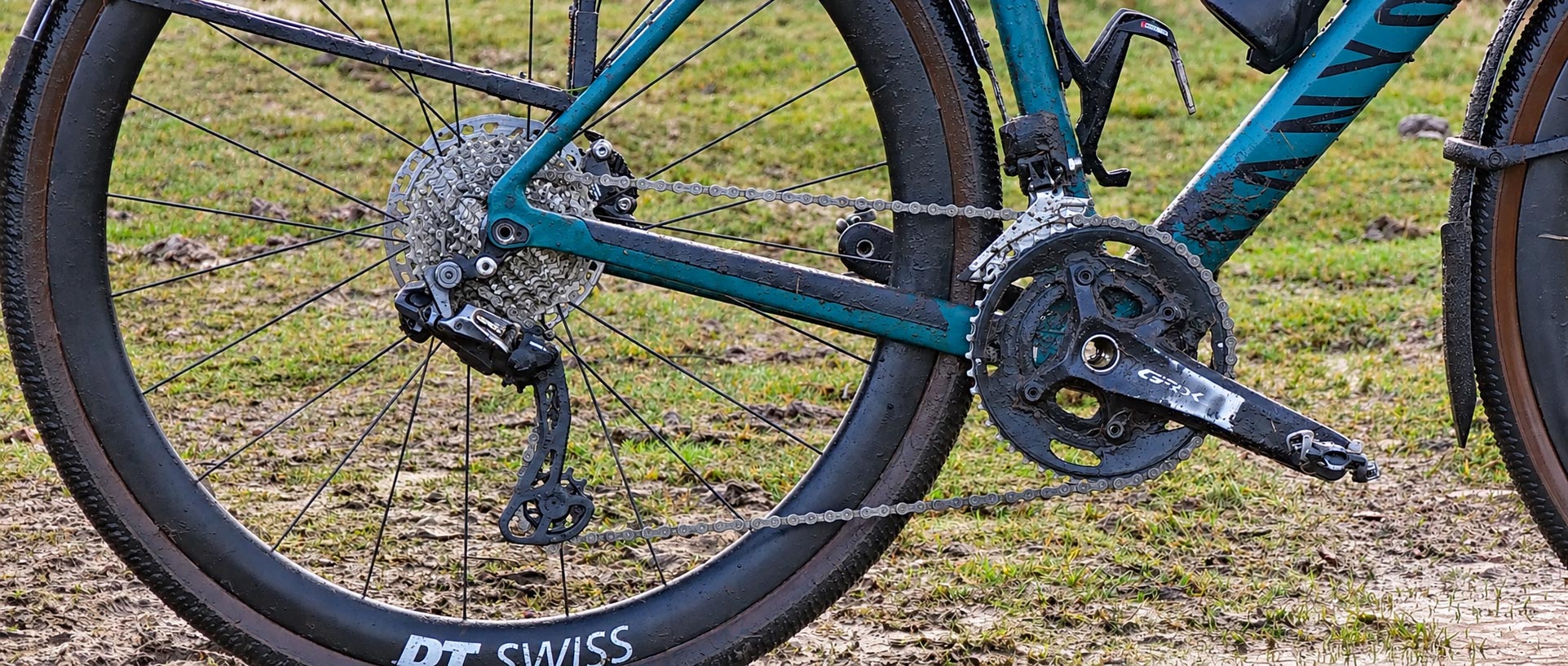
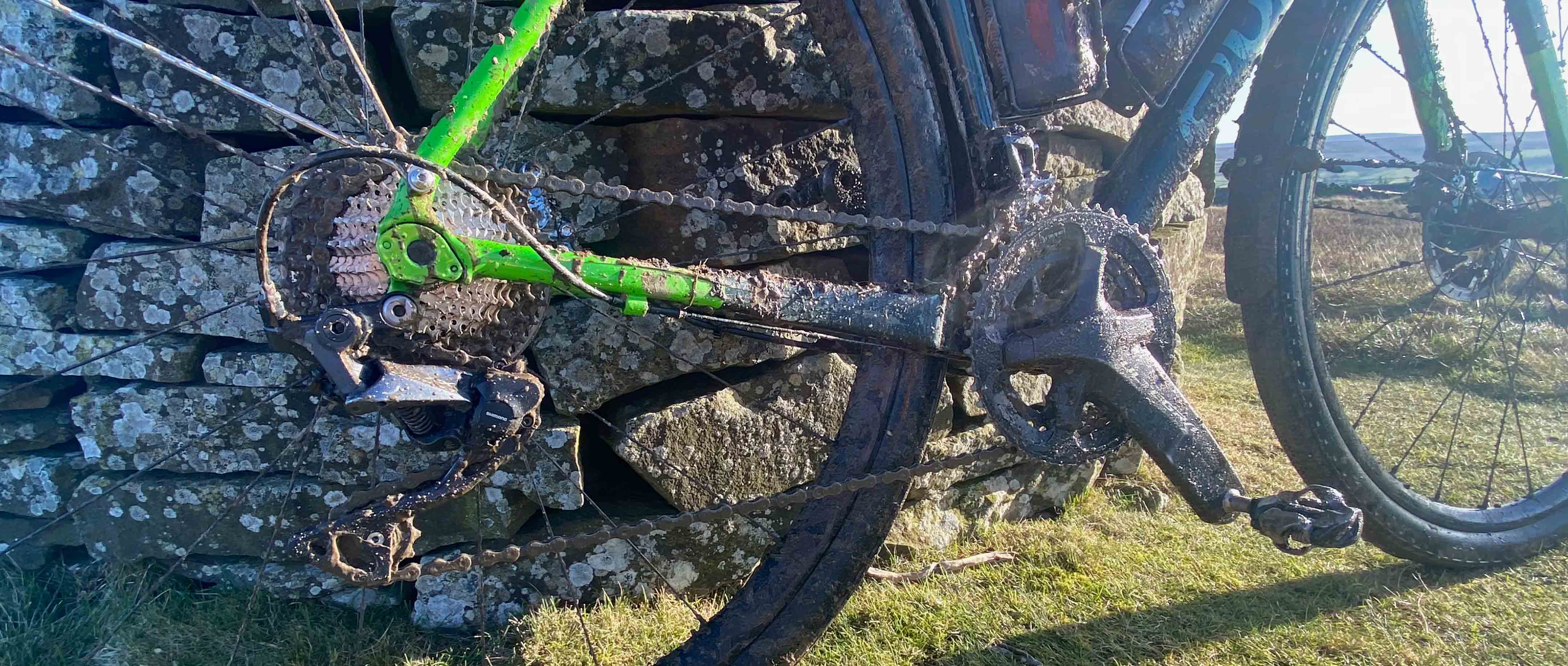
If you were a mechanical engineer, you would probably look at this image and wince. The drivetrain is visibly covered in a thin but perceptible layer of gritty mud. The cogs on the rear cassette have taken on that black-tinged hue so beloved by bike shops and hated by gravel riders, as it’s always accompanied by a hideous, gritty, grinding sound, which is generally the precursor to cash leaving your wallet. The Holy Grail of chain lube technology is to lubricate the links of your chain, whilst simultaneously trying to reduce to a minimum the amount of dust/dirt/crud that your chain picks up as you pedal, as this is the main cause of drivetrain wear and increased drag.
Lube is lube, right?
Wet chain lubes work by coating your chain in a thin protective layer, which acts as a barrier between the metal components and the outside world. Their liquid nature means they can penetrate the rollers that form part of the chain links, helping to lubricate and protect them. The problem is that the oil is inherently sticky and attracts crud at an impressive rate of knots. Dry lubes work by using a mixture of liquid solvent and wax. The solvent helps carry the wax to where it is needed before evaporating and leaving the wax coating behind. The issue is that this wax layer is very thin, often doesn't reach where it needs to be and is prone to being washed off. Hot waxing your chain should result in a super-clean chain with a uniform coating of hard wax. This is supposed to offer low dirt adhesion, reduced drag and enhanced chain life. However, the process is quite complicated and expensive, and is best suited to dry or damp conditions rather than full-on winter conditions.
Introducing Stan’s Polar Drip Wax
When Stan’s launched their Polar Drip Wax (PDW) lube in September 2026, they described it as a “high-performance, plant-based chain wax with unique polar technology that bonds to chains to provide long-lasting and clean-running drivetrain performance.”They went on to say that the PDW “actively reduces friction and stickiness, and keeps your drivetrain running cleaner, crisper and efficiently with less prep and less mess.” When it came to the chemical composition, Stan’s say that “polar wax molecules are naturally attracted to steel, allowing the lubricant to wick deep into rollers and pins to chemically anchor to the metal surface. Used with Stan’s Drivetrain Cleaner, the system creates a primer-like effect that improves penetration and bonding without the need for harsh solvent stripping agents.”
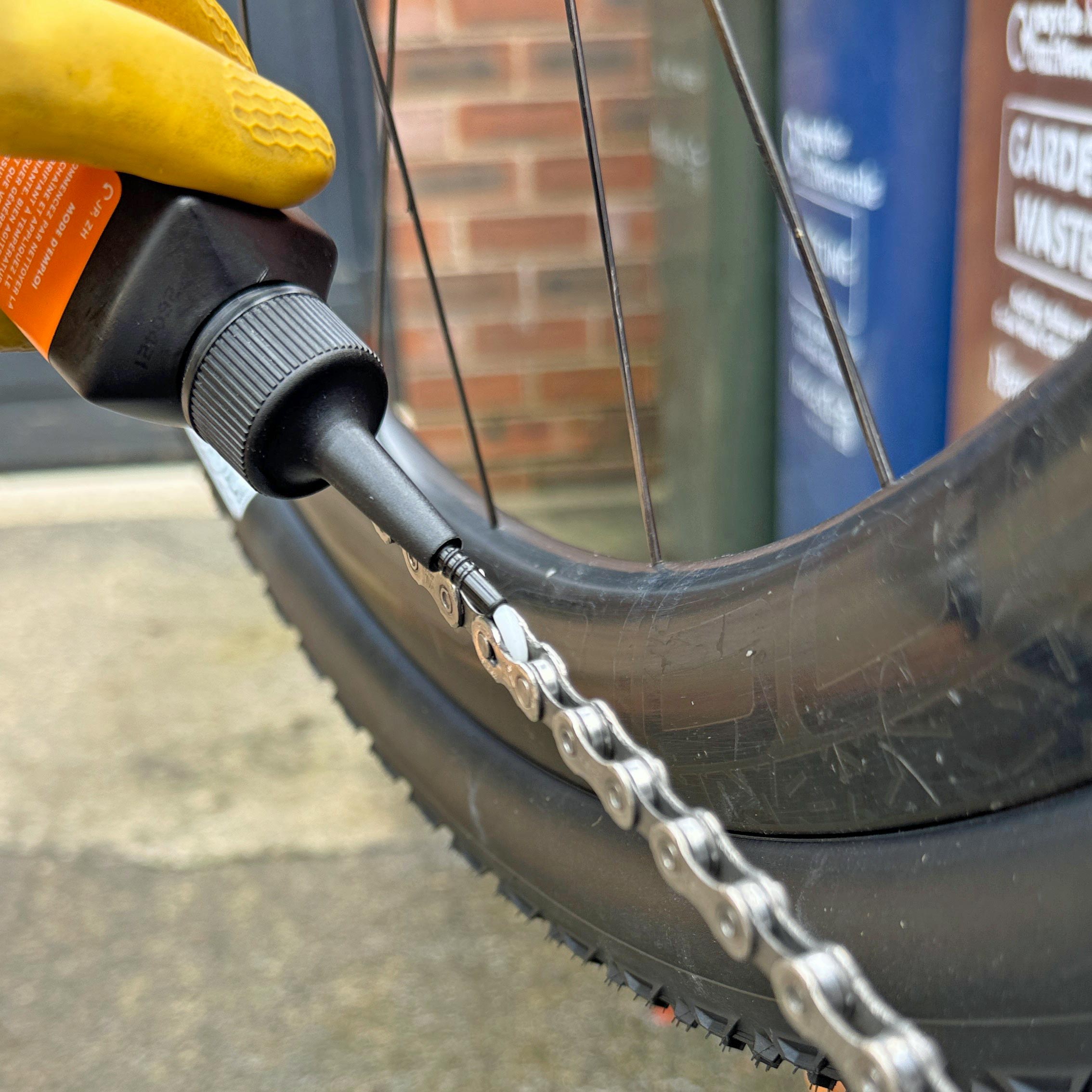
Drip waxes for bike chains have been available since the mid 2000s, so the technology isn’t new, but in the past the performance has been pretty variable. In our experience, they did a good job of keeping your chain clean, but as soon as conditions were anything other than bone dry, the wax washed off and you were left with a chain that was dry and unlubed – a recipe for unwanted noise and friction. Many of the brands commonly available used some pretty heavy-duty chemicals too, so weren’t exactly environmentally friendly. PDW, on the other hand, has a plant-based formula, is PFAS and PTFE free, and comes in a bottle made from recycled sea plastic.
How to use
Before you use PDW for the first time, Stan’s recommend that you follow a simple but rigid protocol:
- Ideally, start with a new chain
- Soak the chain in a jam jar filled with their Drivetrain Cleaner or in an ultrasonic cleaner
- Rinse and dry the chain
- Shake the PDW well and apply it generously to the inside of the chain while pedalling backwards
- Do not wipe off the excess.
- Wait 5 minutes, then add a second layer of PDW
- Let the PDW cure for 8 hours before riding
None of that is particularly taxing, but it does mean you need to be organised, particularly given the recommendation of an eight-hour curing time. This means thinking about your chain the night before your ride rather than leaving it until the last minute. We followed all of Stan’s instructions, apart from starting with a brand-new chain. We used one that had been recently fitted and degreased it thoroughly before applying the PDW. When applying the PDW, you'll notice just how viscous it is – much thicker than any other drip wax lube we've used previously. This makes it essential to shake the bottle well before application. Stan’s also recommend applying it at room temperature, so bear this in mind if you normally store it in a cold garage or shed. After waiting the recommended five minutes, the white carrier liquid will have disappeared and you’re then safe to apply a second layer.
Results
Conditions across Europe in September when PDW was launched were incredibly dry. Our local trails were baked like concrete and even places which always hold on to some surface water were parched and dusty. This probably offered the PDW a relatively easy start. Dust can accumulate on your drivetrain, but it’s not always easy to see and it doesn’t present any real challenges for the longevity of the lube.
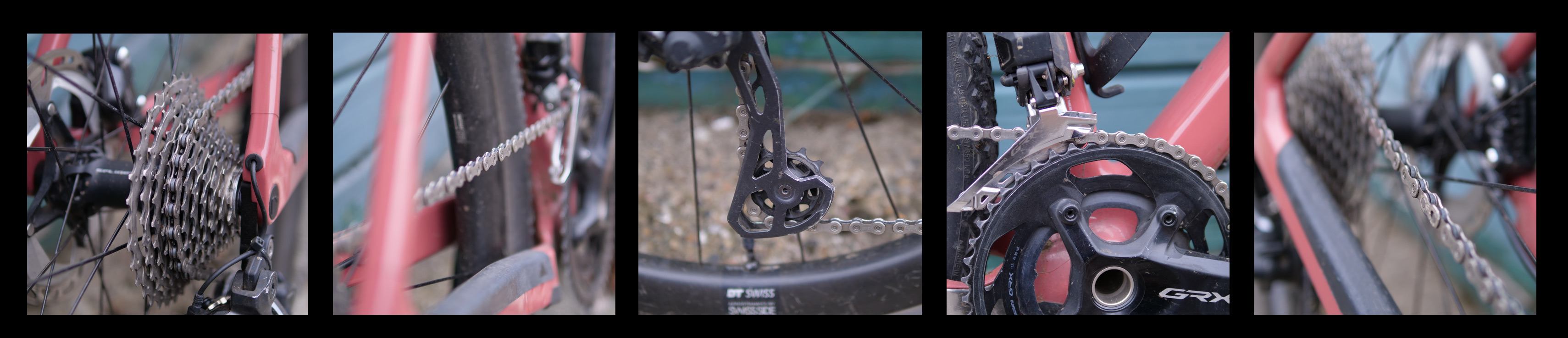
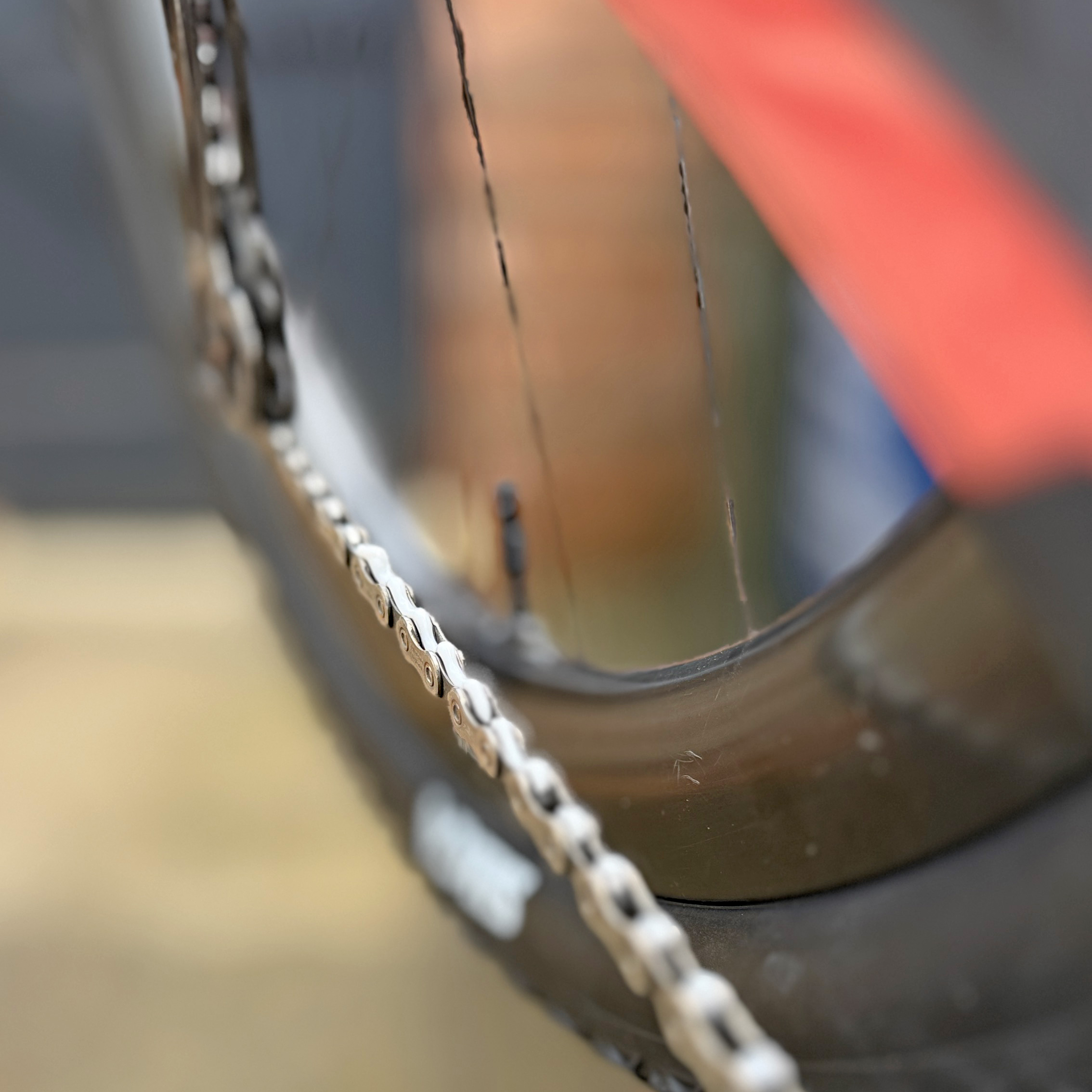
The first test ride was held over 75 km (46 miles) of baked-hard local trails. By the end of the test, the drivetrain remained spotless with no signs of accumulated dust, dirt or the dreaded black gunge. The chain was completely silent and shifts were as smooth and crisp as ever.
Test ride two was 110 km (68 miles) and included a few sections which were damp, but conditions were generally still pretty dry. By the end of the ride, the chain was still perfectly clean. There was a very small amount of black gunge noted around the jockey wheels. From about the 80km point onwards, the chain was slightly noisier than at the start of the ride.
Test ride three was 120 km (74 miles) in mixed weather conditions. There were some wetter/muddier sections of trail, interspersed with long dry sections. From around the 90 km point onwards, the chain was noticeably noisier, but still shifted perfectly. By the end of the ride, small amounts of black gunge was starting to build up around the jockey wheels, in between the chain links and on the rear cassette, but it was pretty limited.
Since the initial test rides, we’ve used PDW over another 1000 km of riding, with everything from bone-dry woodland singletrack to claggy tracks around the edge of farmers’ fields to minor backroads. We’ve used the PDW on 1x and 2x equipped bikes and in a huge variety of weather conditions, including in the very wet aftermath of the UK’s first big autumnal storms.
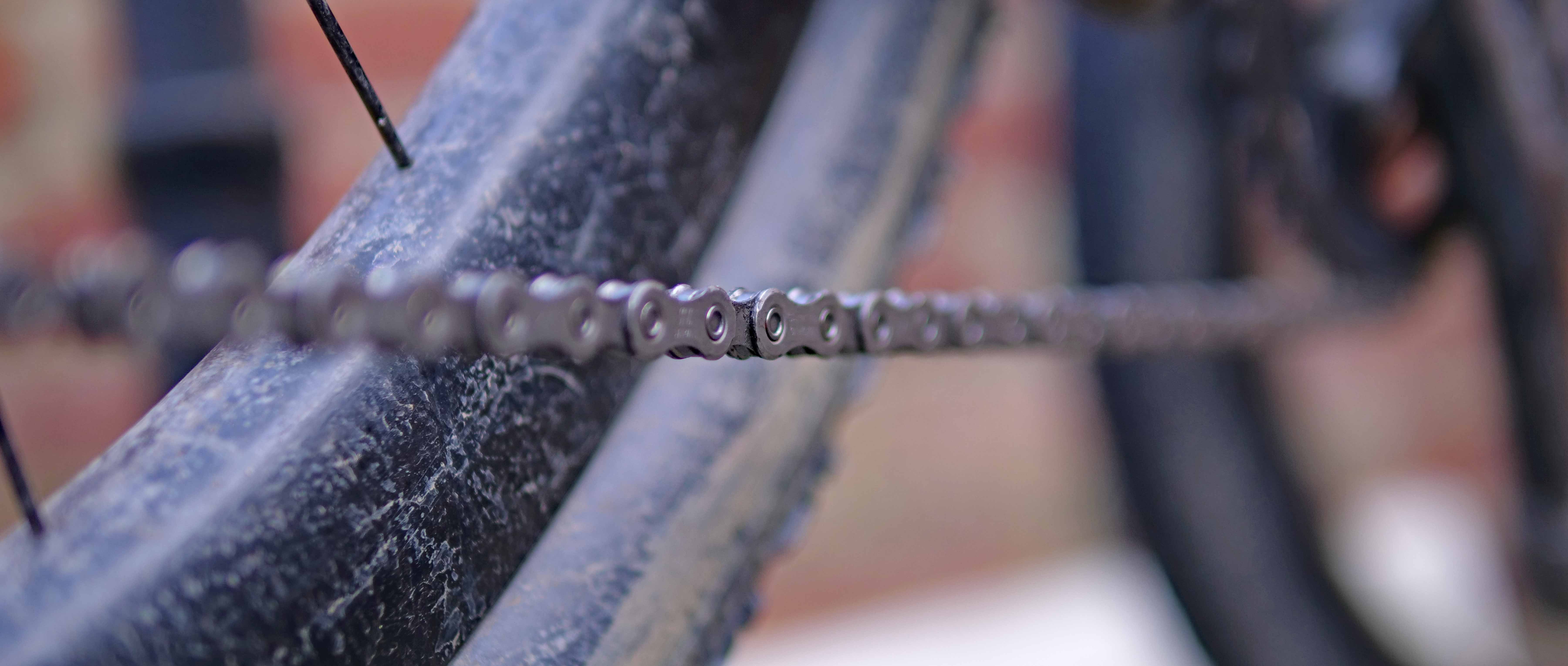
In all but the very wettest conditions, our findings have been broadly the same: the PDW runs remarkably clean and collects only very small amounts of gunge. The drivetrain is also very easy to clean after a ride, with only small amounts of residue needing to be removed. Based on the ‘squeak test’, the lube seems to last around 100km in mixed weather conditions before the chain becomes audibly dry. This is significantly less than Stan’s suggest. Their website claims you should get ‘200+ mile longevity between applications’, but that is likely to be based on optimal rather than real-world conditions. We tried using both a double layer of PDW lube (as recommended by Stan’s) and a single application. There didn't seem to be a significant difference in performance, so if you’re trying to eke out the life of a bottle of PDW, you could probably get away with being a little more parsimonious!
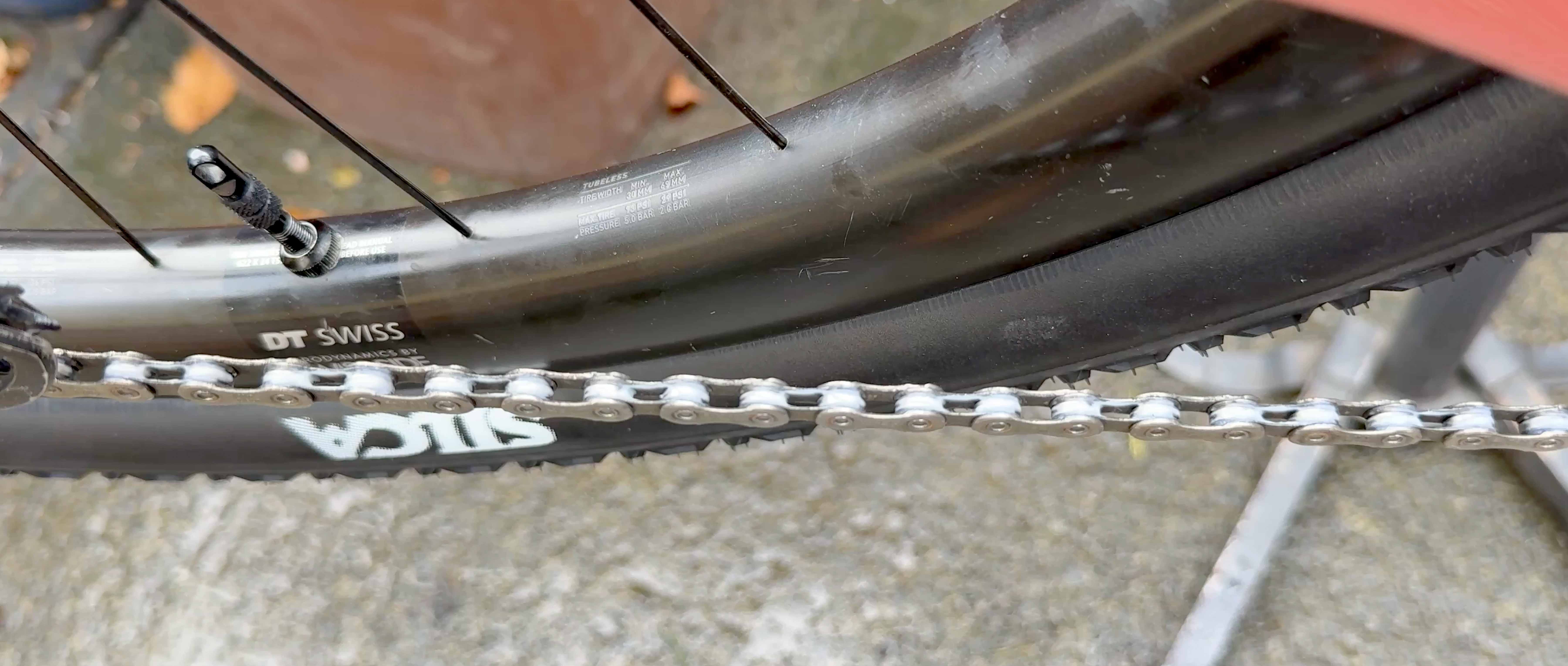
Having used Stan’s Polar Drip Wax for more than 1,500 km now, the conclusion is clear-cut – it’s by far the best drip wax lube we’ve ever used. Although the mileage claims don’t quite tally with the figures Stan’s publish, using PDW has resulted in cleaner chains, easier bike washing and minimal faff. Only time will tell whether PDW offers the same wear-reduction rates as those seen by users of hot-dip wax, but even if it doesn’t, it’s still an absolute winner!
Stan’s Polar Drip Wax costs £18 (or the equivalent local currency) and is available online and from all good bike shops.